Ninja Dual Zone Air Fryer DZ300EU: Pros, Cons & Buying Guide
Explore the Ninja DualZone DZ300EU dual basket air fryer: capacity, SYNC and MATCH, practical pros and cons, alternatives and checks before buying.
Research-led buying guide based on published manufacturer details. No hands-on testing or invented ratings.
THE SHORT ANSWER
What to know before you buy
Shortlist this European two-drawer model if you regularly cook two suitable meal components and have the space. Compare usable drawer shape, local electrical compatibility, cleanup and the actual retailer offer. It is not automatically the right choice for one small portion or a broad oven tray.
The Ninja DualZone DZ300EU is worth considering when the difficult part of dinner is coordinating two foods, rather than finding another cooking program. A main and a side can need different settings and different amounts of time. Separate drawers can make that workflow more manageable, provided the food fits and the appliance suits your kitchen. They do not remove the need to choose sensible portions, check doneness, and follow a complete cooking method. This guide explains the European model listed on Amazon France. It is an editorial buying guide based on published product information and practical meal-planning considerations, not a hands-on review. We have not bought or independently tested this exact appliance. Its features, availability, and the seller's current offer should be checked before purchase. The recipes linked below are optional cooking ideas, not laboratory validation of this model, and you do not need to buy it to use the recipes on our site.
Explore this guide · 20 sections
Published features at a glance
Exact model
Ninja DZ300EU (European listing)
Published capacity
7.6 L total; two 3.8 L drawers
Published cooking functions
Air Fry, Max Crisp, Roast, Bake, Dehydrate, Reheat
Coordination controls
SYNC and MATCH
Retailer destination
Amazon.fr; prices and delivery depend on the current offer
Independent hands-on test by this site
Not performed
How to choose the right equipment
01
Best fit: two components with different needs
Consider a dual basket air fryer when separate components and coordinated timing solve a repeated dinner problem. Choose for your normal meals rather than a long list of advertised functions.
02
Check the regional model
This is the DZ300EU listing on Amazon France. Confirm electrical compatibility, plug, seller, delivery, returns and support for your location; do not treat it as a US model.
03
Compare surface area and storage
Two smaller cooking spaces are different from one uninterrupted surface. Check the official dimensions, safe clearance and room to handle hot drawers before ordering.
04
Inspect the current offer
Prices, sellers and availability can change. We do not display a live Amazon price. Check the exact selected model, condition, included parts and total delivered cost.
Product details and trade-offs
We describe real models and published features without claiming laboratory winners. Paid retailer links are identified. We do not display a live Amazon price; confirm the current offer and exact version on the retailer’s site.
MODEL 17.6 L total · 2 × 3.8 L
Ninja
DualZone DZ300EU 6-in-1 Air Fryer
Ninja lists Air Fry, Max Crisp, Roast, Bake, Dehydrate and Reheat, with SYNC and MATCH controls. This is a researched buying guide; we have not independently tested this model.
Who should compare it: Readers considering a European two-drawer appliance for separate meal components
Reasons to consider
Separate drawers can suit a main and a side with different cooking needs
Timing controls can help organize a two-component meal
A split setup may be useful for separate portions or seasonings
Several published functions offer different preparation options
Things to consider
Two drawers do not provide one broad uninterrupted cooking surface
Needs suitable counter space, ventilation and room to handle hot parts
Two used drawers mean more components to clean than a single small batch
Food still needs suitable loading, attention and independent doneness checks
European electrical version and Amazon.fr delivery conditions must suit the buyer
We may earn a commission if you purchase through this link, at no extra cost to you.
Start with the problem you want the appliance to solve
Before comparing buttons or finishes, identify the recurring difficulty in your own meals. Do you regularly finish vegetables long before the main is ready? Do you cook separate portions with different seasonings? Or do you usually prepare one small item and already have an appliance that handles it comfortably? A two-drawer format is most relevant to the first kinds of problem. It may add less value when one compact cooking space already meets your needs.
Write down three meals you actually make during an ordinary week. Include the side, the amount, and the equipment you already use. This is a better buying exercise than imagining a completely new cooking routine after delivery. If several meals naturally divide into two suitable components, investigate further. If your usual dinners are mainly soup, pasta simmered in sauce, and large tray bakes, another tool or your existing cookware may be the more useful starting point.
Confirm the exact European model
The product covered here is the DZ300EU, with a published combined capacity of 7.6 liters across two 3.8-liter drawers. Ninja lists six functions: Air Fry, Max Crisp, Roast, Bake, Dehydrate, and Reheat. Check the model code on the retailer's selected variant rather than relying on a broad DualZone title. Similar-looking names can refer to different capacities, interfaces, markets, or bundles.
This page links to Amazon.fr and is written in English for readers who may shop across markets. It does not turn a European listing into an American-market appliance. Confirm electrical requirements, plug, delivery destination, seller, returns, and warranty coverage for your own location. Do not assume an imported appliance is suitable because its product name resembles a model sold locally. A low headline offer is not a useful saving if the version is inappropriate for your home.
Think in terms of drawer area, not only liters
A volume figure helps identify a product, but it does not tell you how much food can lie in a useful layer. For air-frying, the shape and arrangement of the food affect the result. Long pieces, broad fillets, and irregular vegetables occupy the base differently from small cubes. A large pile may fit below a maximum-fill line while still producing a texture different from the spaced arrangement in a recipe.
Consider the largest portion you normally want to cook at once. If it needs one broad uninterrupted surface, two separate drawers may be less convenient than another format. If the meal naturally splits into smaller components, the arrangement can be more useful. Compare usable dimensions and manual loading guidance where available. Do not interpret a marketing serving count as a guarantee that every family meal, cut size, and desired texture will fit in one batch.
Understand what SYNC is intended to do
Ninja describes SYNC as coordinating the finish of two drawers with different settings. That is a scheduling feature, not a food thermometer or a guarantee that two ingredients are correctly cooked. You still need a suitable method for each food and a realistic estimate of its cooking needs. If you change thickness or quantity, the chosen times may no longer give the result you expected, even when the programs finish together.
Plan a simple first meal with two components you understand. Prepare both before starting so the coordination feature does not become a race against unfinished chopping. Check the manufacturer's instructions for the actual sequence and what happens when you pause or adjust a drawer. Treat the display as help organizing the process. The final decision about texture and safe doneness still comes from the food and the appropriate checks for that ingredient.
Use MATCH for a repeated setup, not as a universal shortcut
The manufacturer describes MATCH as copying settings across the two drawers. That can be relevant when dividing a similar batch, but identical settings are only useful when the contents suit them. Two ingredients with very different thicknesses or cooking requirements do not become compatible simply because the controls can be copied. Read the method and the appliance instructions before using a repeated setup for an unfamiliar combination.
When dividing one preparation, keep the pieces and loading reasonably comparable. A densely filled drawer and a lightly filled drawer can behave differently. Check both when appropriate instead of assuming the second must match the first because the numbers on the display are the same. A repeatable result comes from consistent preparation as well as a convenient control. Record what you loaded and how it finished if you want the next batch to be easier.
Decide whether the appliance fits the kitchen
Measure the intended counter location before buying and compare the current manufacturer's dimensions. Also consider clearance, safe ventilation, access to the controls, and room to remove the drawers as the manual requires. The body fitting under a cabinet is not the only question. You need a workable place to set down hot components and prepare food without obstructing another appliance or the edge of the counter.
Storage matters if you will not leave it out. Consider whether you can move the appliance comfortably and whether the storage location is practical for frequent use. An appliance that is awkward to retrieve may be used less often than expected. Do not plan to operate it in a cupboard or another unsuitable enclosed space. Choose the location from the safety instructions first, then decide whether that arrangement is compatible with your everyday kitchen.
Compare the total purchase, not only the headline price
Look at the exact model, seller, condition, included parts, delivery charges, and return terms. A marketplace product page can show more than one offer, and the most prominent option may change. Confirm the version selected immediately before purchase. This guide does not display a live Amazon price or claim that stock is available to every delivery destination. The button takes you to the listing so you can inspect the current offer yourself.
For an international purchase, consider the complete cost and support arrangement rather than converting a headline price alone. Currency conversion, delivery, possible import costs, and practical return handling can change the decision. A more expensive local offer can sometimes be easier to support, while a cross-border offer may suit another buyer. Choose based on the actual terms relevant to you. A product being in a premium budget category is not evidence that it is good value for every household.
Read performance claims as limited claims
Manufacturers may compare speed, energy use, or food results under particular test conditions. Those conditions matter. A percentage attached to one comparison does not establish the same saving for your oven, every recipe, or the way you load the drawers. This guide does not convert marketing claims into promises about your electricity bill, cooking time, or dietary outcome. Consider the workflow you need rather than using one large percentage as the whole buying argument.
If energy cost is central to your decision, examine the actual use case: portion size, number of batches, preheating where required, and what appliance would otherwise be used. If speed is central, count preparation and cleaning as well as the programmed cooking stage. These questions do not require you to dismiss the appliance. They help you compare a complete evening routine rather than a narrow part of a demonstration.
Plan a first meal with simple, familiar ingredients
A straightforward first meal makes it easier to learn the machine. Choose familiar ingredients with a clear method, prepare comparable pieces, and avoid several new sauces or coatings at once. Keep any necessary food thermometer and suitable utensils ready. Read the recipe and manual before starting, especially the instructions for loading, pausing, turning food, and handling the hot drawers. A little preparation reduces the number of decisions you need to make while food is cooking.
Use the manufacturer's guidance for the model rather than transferring a time from another air fryer without thought. If a recipe on this site gives a general air-fryer method, adapt it only within the appliance's instructions and verify the food as you cook. The linked recipes are starting ideas, not exact-model test results. Once one simple meal works, vary a component deliberately while keeping the rest of the process consistent enough to learn from it.
Keep poultry and vegetables on their own requirements
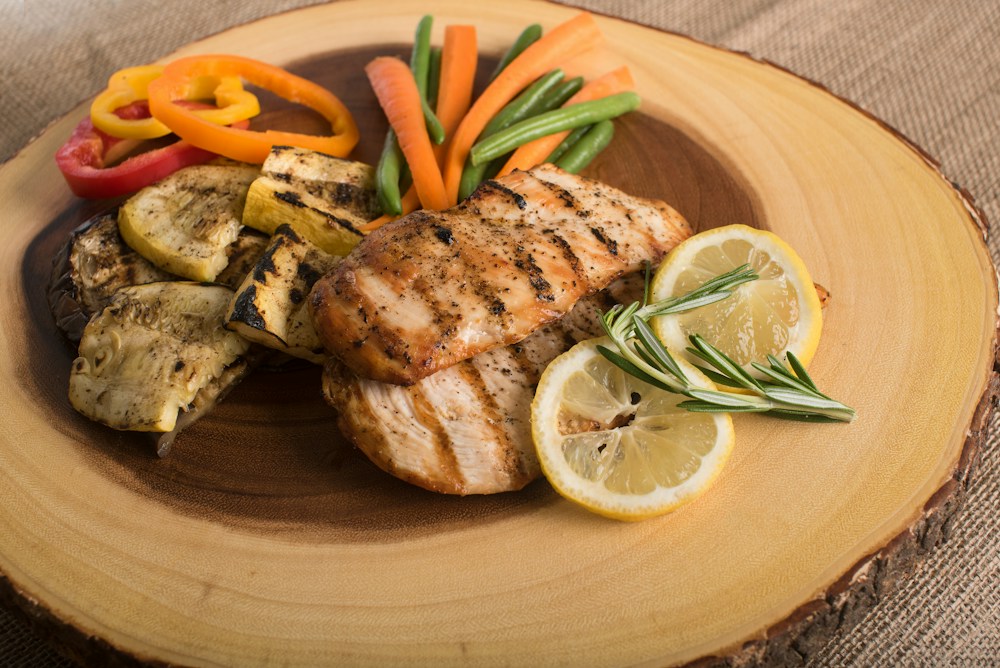
A meal with chicken and a vegetable side can demonstrate why timing and doneness are separate questions. Vegetables need the texture you prefer; poultry needs appropriate food-safety checks. Use a suitable thermometer and the official guidance linked in the sources. The fact that the programs finish together does not establish safe internal temperature, and a browned coating is not a substitute for checking the center of an appropriate piece.
Prepare raw poultry separately from vegetables and ready-to-eat finishes. Keep boards, utensils, hands, and serving plates clean, and follow safe handling rather than letting a two-drawer format create a false sense of automatic separation. Choose pork-free and alcohol-free sauces if following the dietary direction of our new recipe collection, and read packaged ingredients. The appliance does not determine the composition or allergen status of the meal placed inside it.
Manage vegetables according to size and moisture
Broccoli florets, carrot pieces, and sweet potato cubes differ in thickness, surface, and moisture. A mixture of tiny fragments and large chunks is harder to finish evenly than reasonably comparable pieces. Prepare each ingredient for its method and avoid overloading simply because the drawer can physically close. If the desired exterior is not developing, investigate loading and surface conditions before increasing the heat or adding more oil.
For frozen vegetables, follow the package and an appropriate appliance method. They should not automatically be treated like freshly cut produce with the same surface conditions. Our broccoli and sweet potato ingredient guides explain these preparation decisions in more detail. Use them to understand the ingredient, then follow a complete cooking sequence for the meal. A product guide should help you ask better questions, not invent one exact time for every vegetable and every amount.
Use sauces and coatings at the right stage
A wet coating and a dry surface need different treatment. A sugary sauce can darken before a thick ingredient reaches the result you need, and a loose coating may behave differently under moving hot air than in another method. Follow a recipe intended for air-frying and check the manual's restrictions. Do not assume that every oven recipe, batter, or marinade transfers directly without a change in technique.
For a first attempt, keep the sauce simple and add a suitable finishing element where the recipe directs. Taste the assembled meal before adding a second full measure of seasoning. Prepared broth, cheese, sauces, and spice blends should be checked for your dietary requirements. No pork, alcohol, allergen-free, or certification claim follows from the choice of appliance. Those descriptions belong to the actual ingredients and the way the food is handled.
Consider cleanup before committing to regular use
Count the pieces you will clean after a normal meal and check the manufacturer's care instructions for each. Removable cooking components and the main electrical unit need different treatment. Let parts reach a safe handling condition and use cleaning materials appropriate to their surfaces. A fast cooking stage is less valuable if the cleanup arrangement does not fit your sink, dishwasher, or available time.
Think about where cleaned pieces will dry and be stored. If two drawers are used for one small serving, the extra washing may matter more than the cooking convenience. If they replace several separate preparations, the balance may look different. Assess your own routine rather than assuming that dishwasher compatibility makes every cleanup effortless. Care that preserves the surface and follows the manual is more useful than a harsh shortcut chosen because food has been left to dry on.
Be selective about accessories
The appliance may not need an accessory bundle to cook the meals you already make. Start by checking what is included and which additional items the manufacturer supports for this exact model. A listing that says compatible with many air fryers is not the same as a verified fit for the drawer, airflow, and cooking method you need. Read dimensions and restrictions before adding anything to the basket.
Do not improvise with loose liners, unsuitable containers, or items that obstruct the appliance contrary to its instructions. A useful accessory should solve an observed problem, such as an approved way to support a specific preparation, rather than add cost before you know how you cook with the machine. Begin with the supplied equipment and a suitable method. After several meals, you will be in a better position to identify what would actually help.
Know when a single drawer or your oven is the better choice
A two-drawer appliance is not a universal upgrade. If you cook one small component most evenings, a compact alternative may be easier to store and clean. If you regularly cook a large whole item or a broad tray, another format may offer a more useful shape. Your existing oven may already handle those tasks well enough that buying another appliance does not solve a meaningful problem.
Compare the complete process for a familiar meal using what you own. Include the working space, timing, number of batches, cleanup, and where the food will be served. This keeps the buying decision grounded in repeated needs. It is reasonable to postpone a purchase if the benefit remains unclear. The free recipes and ingredient guides on this site are intended to remain useful with suitable equipment you already have.
Decide whether this model belongs on your shortlist
The DZ300EU is a relevant candidate for readers who want to organize two suitable components in one appliance and can accommodate its layout. Its value depends on portion shape, the meals you repeat, local compatibility, and the current offer. It is less compelling if those needs are already met or if your main cooking tasks require another kind of vessel. That is a practical shortlist decision, not a claim that it wins every comparison.
Before ordering, confirm the exact model and selected seller, review the official product information and manual, and check the current price, availability, delivery, and returns. Begin with one straightforward meal if you buy it, then record useful observations rather than expecting every recipe to work unchanged. A thoughtful purchase should make an existing cooking routine easier. It should not require inventing an entirely new routine simply to justify the equipment.
Compare one drawer, two drawers and an oven-style format
A single-drawer appliance offers one cooking space and may be the simpler option when the meal has one main air-fried component. You still need to compare the shape, manual loading guidance, and storage requirements of the actual model. A dual-basket air fryer offers another workflow: two spaces for portions that suit being separated. An oven-style format presents another set of questions about trays, access, cleaning, and the size of food you normally prepare. None of these formats answers every household's needs.
Make the comparison using the same meal and portion rather than unrelated headline capacities. Ask where each component would cook, whether a second batch would be needed, and how much attention the sequence requires. If you cannot describe a practical improvement, delay the purchase. If the split workflow addresses a repeated frustration, it deserves a place on your shortlist. This approach helps you choose a format before becoming attached to a brand name or a temporary promotion.
A practical weeknight planning example
Imagine a dinner with evenly cut chicken pieces, a vegetable side, and a grain cooked separately in an appropriate saucepan. Read the complete recipes and the appliance manual first. Prepare the vegetables and sauce before handling raw poultry, or clean and separate equipment appropriately between tasks. Start the grain at the stage its method requires. The two air-fryer components need their own suitable settings, quantity limits, and doneness checks. The schedule should leave time for turning or checking food rather than treating the programmed stage as unattended cooking.
The example is a planning framework, not a tested recipe for this machine. It deliberately avoids giving an unverified universal time for chicken thickness, vegetable size, and drawer loading. Once the components are ready, serve them together and note what you would change next time. Perhaps the vegetable pieces need a more consistent cut, or the grain should begin earlier. Those observations make the appliance useful within a meal rather than a separate project competing with the rest of dinner.
Evaluate the purchase after several ordinary meals
If you buy the appliance, judge it against the problem you identified before ordering. Did it make the meals you already cook easier to coordinate? Does the cleanup fit your routine? Can you use the counter comfortably when the drawers are out? These are more meaningful personal checkpoints than trying to recreate every promotional photograph. Keep the packaging and follow the seller's return instructions if you need to assess whether the purchase suits your kitchen.
Avoid deciding from one unfamiliar recipe alone. A new ingredient, an excessive quantity, or an unsuitable coating can obscure what the appliance is contributing. Equally, do not assume that buying extra accessories will solve an awkward format or a lack of storage. A good decision can be to keep a useful appliance, choose another format, or continue with equipment you already own. The buying guide's purpose is to support that decision, not to make every reader purchase the linked product.
Keep the shortlist focused on evidence
When comparing this Ninja dual zone air fryer with another product, separate published features from independent performance evidence. This page identifies the model and explains practical implications; it does not reproduce another reviewer's test score as our own. Check the exact regional version, included parts, current seller terms, and official instructions for each candidate. If a specification is unclear or conflicting, ask the manufacturer before making it the basis of a purchase.
Use the same checklist for every candidate and stop once the important needs are answered. A longer list of programs is not automatically more useful than a layout you can clean and store comfortably. Similarly, an affiliate button is a convenient route to an offer, not proof of suitability or a guarantee of a commission-funded saving. Choose a product for the meals, space, and support arrangement you actually need, then use a complete recipe and the manual to cook with it safely.
These sources have not tested or endorsed our recipes. Use the current manual for operation, safety and care.
Our practical shopping checklist
Confirm DZ300EU on the selected retailer variant.
Read the official manual before operation, loading or buying accessories.
Compare a familiar complete meal across your current equipment and the new format.
Use a suitable food thermometer when the ingredient requires it.
Inspect current seller terms, compatibility and delivery rather than relying on an old price.
How this guide was prepared
We chose recognizable premium kitchen equipment connected to recipes on this site. Descriptions are based on manufacturers’ public product pages and common cooking considerations. We have not purchased or independently tested these exact models. Product prices, promotions and availability can change. We do not rank products with fabricated star ratings, customer reviews or performance tests.
Frequently asked questions
Is a dual basket air fryer better than a single drawer?
It depends on your meals. Two spaces can help with separate components; a single larger surface or a smaller appliance may suit another household better.
Is this a hands-on Ninja DZ300EU review?
No. It is a researched buying guide using manufacturer information and practical shopping considerations. We do not claim independent cooking tests, measured energy savings or ratings.
Is the DZ300EU an American-market model?
This page covers the European model and links to Amazon.fr. Verify electrical requirements, plug, delivery and warranty for your location.
Does SYNC guarantee safe doneness?
No. Coordinated program timing does not establish the internal temperature of food. Use a suitable method and the relevant food-safety checks.
Can I use the recipes without buying this appliance?
Yes. Use suitable equipment you already own and follow its instructions. Our linked recipes are ideas, not exact-model test results.
Do you show the current Amazon price?
No. Inspect the current retailer offer for the exact selected version, seller, delivery and price.
Is the product link an affiliate link?
Yes. The Amazon.fr product button is a paid link. As an Amazon Associate, I earn from qualifying purchases.
USE WHAT YOU ALREADY OWN
Recipes to cook tonight.
These recipes do not require you to buy the premium products above.