How to Cook Tofu: Choose, Press, Season and Build Better Texture
Choose firm or silken tofu, understand pressing and coatings, and compare pan-frying, baking, sauce timing and texture fixes.
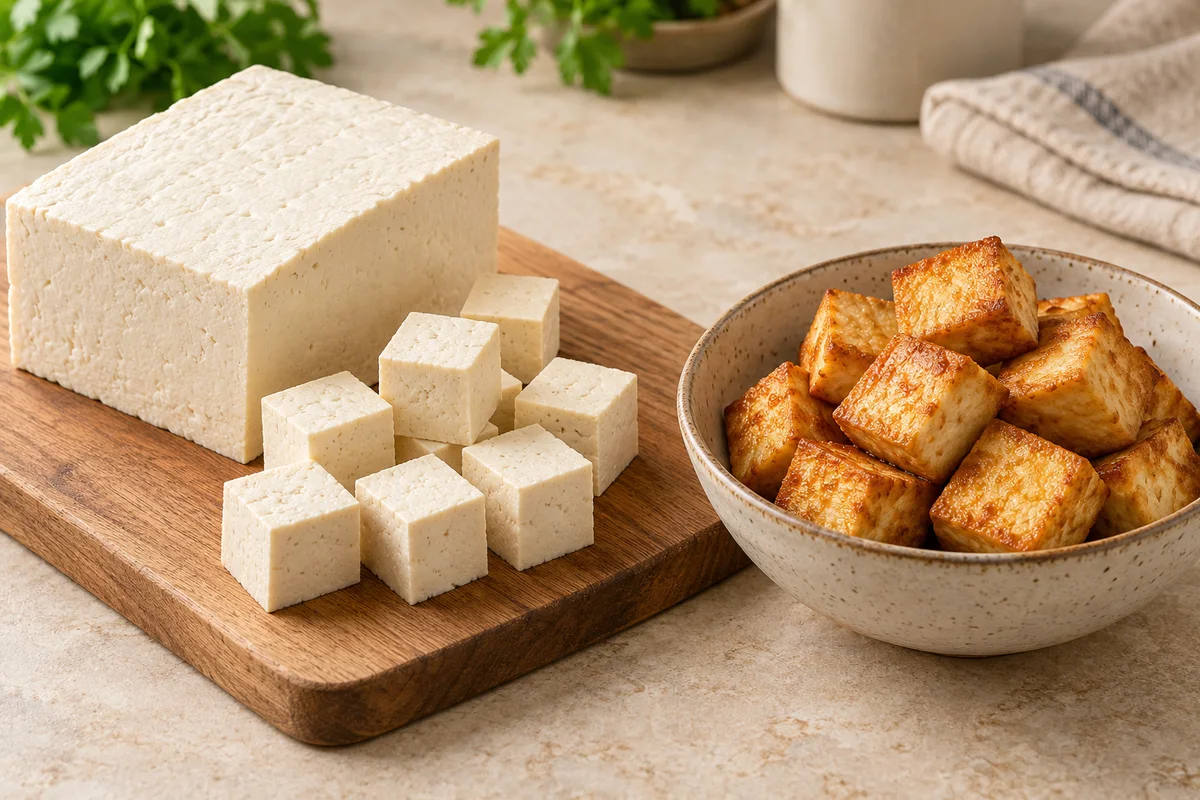
Tofu is easier to cook when you stop treating every package as the same ingredient. A silky block for soup and a dense block for browning can both be tofu, yet they need different handling. The first useful question is not which sauce to buy. It is what texture you want on the plate. Softness can be desirable in a blended sauce, while a firmer piece is easier to turn in a skillet. Matching the product to the method removes much of the uncertainty.
This guide explains those decisions and the role of moisture, shape, seasoning, and heat. It does not replace a complete recipe with measured ingredients. The suggestions here avoid pork and alcoholic cooking ingredients. Tofu made from soy still contains soy even when the sauce contains no soy sauce, and toppings such as peanuts or sesame bring their own allergen considerations. The images are illustrative 3D renderings rather than evidence of a cooking test.
Understand the texture labels before buying
Start with the exact words on the package. Silken, soft, medium, firm, extra-firm, and super-firm describe different products, and the meaning can vary somewhat between manufacturers. Do not assume the firmest-sounding name from one brand is identical to a similarly labeled product from another. Read the suggested uses and storage information as well as the front label. A recipe's specified tofu type is a meaningful part of its method.
If you want defined pieces for noodles or a bowl, firm or extra-firm products are a sensible place to investigate. If you want a smooth blended preparation, a softer product may be more appropriate. Buying one type and trying to force it into every method often creates avoidable problems. Choose for the meal you are making today, then learn another type on a later occasion rather than changing both ingredient and technique at once.
Silken tofu needs a different approach
Silken tofu is delicate, and pressing it under a heavy object is not a useful shortcut to extra-firm tofu. Its structure can collapse before you have achieved anything helpful for browning. Handle it gently and use methods suited to its softness. A product intended for blending or a tender addition to soup should not be judged against a browned cube with a resistant bite. They are different textures with different uses.
When adapting a recipe, ask whether the tofu must remain in a distinct shape. If the answer is no because it will become a sauce, the choice may be flexible within the recipe's guidance. If the answer is yes because it needs turning or tossing, a delicate block introduces a real structural challenge. Selecting a firmer product is usually more effective than adding extra starch to fragments that have already broken apart.
Check packaging, storage and added ingredients
Some tofu comes packed in water, some in tighter vacuum packaging, and some in shelf-stable containers that have specific handling requirements after opening. Follow the package rather than assuming all products belong in the same storage category. Flavored or smoked tofu may include ingredients that change both the seasoning and the dietary checks needed for the meal. Plain tofu gives you more control when learning a new method.
Keep the label until the product is used. If you are cooking for someone with an allergy or a strict ingredient restriction, the original package is more useful than a handwritten note saying tofu. Check marinades, starches, broths, and garnishes too. A recipe without soy sauce is not necessarily soy-free, gluten-free, or alcohol-free merely because one bottle was omitted. Those descriptions depend on the whole ingredient list and the actual products chosen.
Drain first, then decide whether pressing helps
Open the package over a sink or suitable bowl, drain the packing liquid, and place the tofu on a clean working surface. Draining removes the liquid around the block; pressing addresses some of the moisture within a suitable firm block. These are related but separate steps. A product that feels dense and dry may need different treatment from a softer water-packed one. Read the manufacturer's preparation advice before adding unnecessary work.
For browning, surface dryness matters even after pressing. A block can release liquid under pressure and still be wet where it touches the pan. Pat it gently with an appropriate clean towel before cutting or coating. Prepare the rest of the meal while the tofu drains or presses so the waiting time becomes useful. Chopping vegetables and mixing a checked sauce at that stage makes the final cooking sequence easier to manage.
Press firm tofu safely and evenly
If your product and recipe call for pressing, use a stable arrangement on a rimmed plate or another surface that can collect liquid. Wrap suitable firm tofu in a clean absorbent towel and apply controlled, even pressure according to the method you follow. A balanced press is more useful than a precarious tower of heavy objects. Too much weight on a fragile block can crush it instead of giving you neat pieces.
Pressing time depends on the product and the result you need. Manufacturer guidance can be shorter than other general methods, so treat the package as your first reference. Do not leave perishable tofu out indefinitely because you are busy with another task. If preparing ahead, follow safe refrigerated handling. Note the brand and pressing method when you find a combination you like; that information helps you repeat the texture more reliably.
Choose the shape for how you will serve it
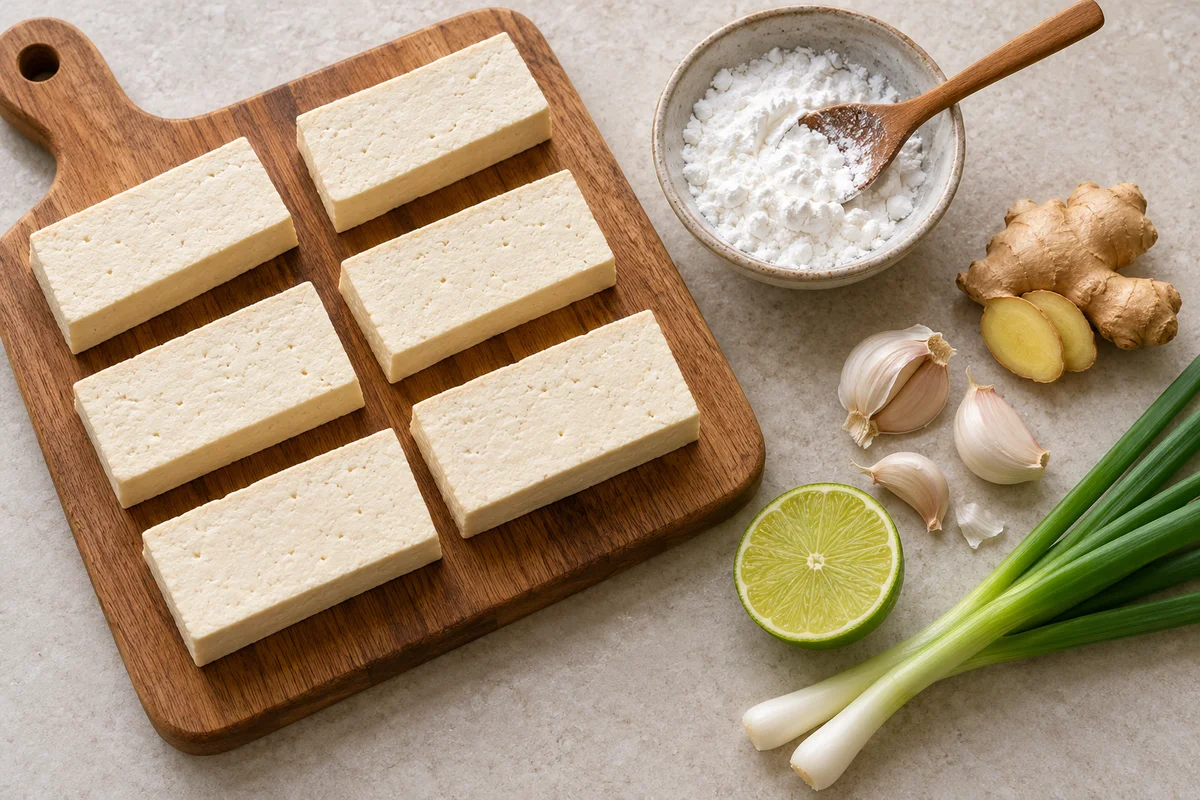
Cubes are convenient for bowls, but they have several faces to turn and can be awkward when the pan is crowded. Planks offer larger flat surfaces and may be easier to brown evenly. Torn pieces have irregular edges that catch seasoning differently. Crumbles suit a preparation where small pieces are desirable rather than an accident you need to hide. The shape should support the meal and the equipment you have.
Keep the thickness reasonably consistent within a batch. A collection of thick chunks and thin shards will not develop the same texture at the same pace. Use a sharp suitable knife and a stable board rather than pushing hard on the block. If the tofu is breaking much more than expected, pause to reconsider the type and handling before adding it to a hot pan. The solution may be a gentler shape, not a higher temperature.
Separate seasoning from the final sauce
A light seasoning before cooking and a finishing sauce after cooking have different jobs. The first influences the surface; the second coats or accompanies the finished pieces. Putting a very wet sauce on tofu before a browning method can keep that surface damp. A sweet sauce can also darken before the texture underneath develops. Read a complete recipe's sequence rather than assuming more marinating always means a better result.
For an alcohol-free direction, consider combinations based on checked broth or water, ginger, garlic, citrus, and suitable labeled seasonings. If using coconut aminos, verify the actual product against your requirements rather than assuming every bottle is identical. Taste a sauce separately before it reaches the whole pan. It is easier to correct a small bowl than to remove an excessive salty or sweet coating from every piece of tofu.
Use a light starch coating when the recipe calls for it
Cornstarch or another suitable starch can change the surface texture of firm tofu. The useful word is light: an uneven layer of dry powder can remain unpleasant, while clumps may fall off into the pan. Begin with a surface that is not dripping, distribute the coating gently, and follow a recipe designed for the cooking method. A coating does not repair a block that is too delicate for turning.
Check the starch package and any spice mixture you add to it. Avoid increasing the coating simply because the first batch did not brown. The limiting factor may be a crowded pan, insufficient preheating, or too much surface moisture. Change the relevant part of the method rather than piling on ingredients. A small comparison batch can teach you more than coating the entire block heavily and hoping the texture will improve.
Pan-fry with room to turn the pieces
Choose a pan that gives the tofu space and suits the method. Arrange pieces so you can see the cooking surface rather than creating a mound. When a recipe asks you to let one side develop color before moving it, give it that opportunity instead of constantly stirring. Handle the pieces with a suitable spatula or tongs and turn gently. Frequent forceful movement can damage even a reasonably firm product.
Use the recipe's heat guidance and watch the pan. A burner setting is not an identical temperature on every stove, and a pan can become much hotter while you are distracted. If garlic or a sugary seasoning is coloring too quickly, address the heat and sequence rather than waiting for the tofu to catch up. Cook in batches when necessary and keep finished pieces separate from wet ingredients until the method brings them together.
Bake for a different balance of attention and texture
Baking can be convenient when you want less active turning at the stove, but it still needs a suitable tofu product, a prepared surface, and enough tray space. Follow a baking recipe rather than transferring a skillet method unchanged. Tray material, oven behavior, piece size, and coating can all affect the result. Look for the stated texture and color cues as well as the timer.
Spread pieces in a single layer and turn when the method directs. Crowding limits the usefulness of the oven just as it does in a pan. If one part of the tray colors faster, rotate it safely as appropriate for your oven. Avoid introducing a wet sauce too early unless the recipe intentionally bakes the tofu in sauce. Baked tofu and saucy tofu can both be appealing, but they should not be expected to have the same exterior.
Treat air-fryer instructions as equipment-specific
An air fryer is not a universal instruction that removes the need for a recipe. Baskets differ in capacity and airflow, and a method written for one appliance may need adjustment in another. Follow the appliance's safety directions and choose a tofu recipe intended for that equipment. Keep pieces secure enough that light coatings or small fragments do not become an avoidable mess inside the basket.
Use a manageable batch size and check before the end of the suggested time. A packed basket can cook differently from a single layer even at the same setting. If you compare air-fried tofu with a baked version, keep the tofu type and shape consistent so the comparison is useful. Record what actually worked with your appliance rather than repeating an online time as though every machine produces the same result.
Know what freezing changes and what it cannot fix
Some firm tofu methods intentionally use freezing and thawing to create a different, more open texture. This is a deliberate variation, not an obligatory step before every tofu dinner. Follow the package's freezing advice and a suitable method, then thaw safely. The result may take up sauce differently and feel unlike a freshly opened block. Decide whether that change suits the meal before preparing the entire batch this way.
Freezing does not turn every tofu type into the same product, and it is not a solution for food that has been handled unsafely. Keep labels and dates so you know what you prepared. If the thawed texture is new to you, try it in a small portion before building several lunches around it. Ingredient preparation is most useful when it expands your options, not when it adds a long sequence you do not actually need.
Bring noodles, vegetables and tofu together at the right moment
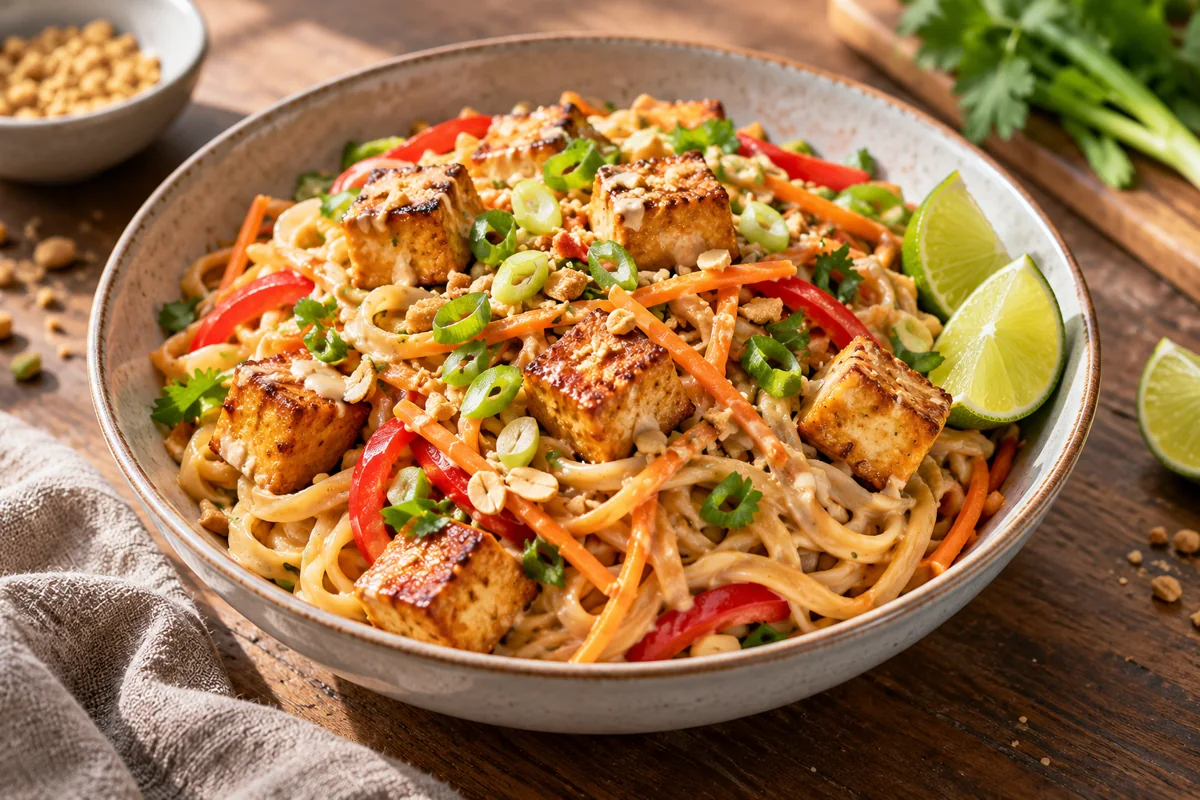
When tofu is part of a noodle bowl, cook the components with their different textures in mind. Noodles can become sticky while you focus on browning, and vegetables can overcook while you finish a sauce. Read the whole recipe and identify what can wait briefly and what should be finished close to serving. Having the sauce mixed and vegetables prepared before the tofu reaches the pan reduces this juggling.
For a crisp exterior, add sauce close to serving or serve some alongside. Leaving browned tofu submerged in a wet sauce changes the texture, which may be fine if that is what you want. The site's peanut tofu rice noodles recipe provides a complete sequence and measured sauce. Remember that omitting soy sauce does not remove the soy in tofu or the peanuts in that recipe. Keep those distinctions clear when describing the dish to someone else.
Correct sticking, blandness and broken pieces
If tofu sticks, consider the pan, surface moisture, heat, and timing before forcing it loose. A suitable utensil and a little patience may help a developing surface release, while scraping aggressively can tear it. Follow the method and avoid assuming that every pan needs the same oil amount or temperature. If the coating burns while the pieces remain wet, the surface conditions or sequence need attention.
Bland tofu does not necessarily need a longer marinade. Taste it with the final sauce and accompanying vegetables before changing the whole dish. Sometimes the contrast between a lightly seasoned interior and an assertive coating is intentional. If pieces break, use them in a crumble-friendly preparation rather than pretending they will become perfect cubes again. Then revisit the tofu type and shape for your next attempt, changing one decision at a time.
Choose substitutions by role and disclose allergens
Tempeh, chickpeas, and mushrooms may appear in meals that also use tofu, but each changes the structure and cooking needs. Tempeh is not soy-free simply because it has a different name. Chickpeas bring a distinct bean texture, and mushrooms can release substantial moisture. If a substitution is needed, choose a recipe or method that respects the replacement rather than applying tofu instructions automatically.
For sauces, check nut butters, sesame ingredients, broth, and any prepared seasoning individually. A peanut-free alternative needs attention to the actual product and the person eating, not a casual assumption that another seed or nut is suitable. If you are sharing a meal, describe the ingredients accurately. Dietary preferences, allergies, and certification requirements are different questions, and a general cooking guide cannot answer them by renaming one ingredient.
Store portions and reheat for the meal you want
Follow the tofu package's handling directions for any unused portion. Cooked tofu should be cooled and refrigerated promptly in appropriate containers, with sauce separate when that helps the intended texture. Keep track of the preparation date and freeze only when the product and method support it. Use the linked safety resources for leftover handling rather than judging safety from appearance or the fact that the ingredient is plant-based.
When reheating, accept that a stored browned exterior may not be identical to one served immediately. Choose a method suited to the dish and heat the portion evenly. A saucy noodle preparation and a dry bowl topping have different practical needs. Add fresh herbs, citrus, or other finishing elements after the main portion is heated. Avoid coating every stored portion with a second complete measure of sauce simply because the first taste was cold.
Build confidence through a consistent first method
For your first repeatable result, keep the tofu type, shape, cooking method, and sauce direction consistent. Note the brand, whether you pressed it, and the visual cues you used to stop cooking. Those observations make the next attempt easier to assess. Changing to another product, another appliance, and another coating simultaneously may produce a good dinner, but it tells you little about which decision improved the texture.
Once one method feels familiar, try a deliberate variation: planks instead of cubes, a different finishing sauce, or a baked preparation instead of pan-frying. Keep the rest of the meal simple enough to notice the difference. Tofu becomes more useful when you understand the product you bought and the role you want it to play. That knowledge is a stronger foundation than searching for one supposedly perfect technique for every block.
Frequently asked questions
Does all tofu need pressing?
No. Suitable firm products may benefit from pressing; silken tofu is too delicate for that treatment. Follow product guidance.
Is tofu without soy sauce soy-free?
No. Ordinary tofu is made from soy. Removing soy sauce does not remove the soy in tofu.
When should I add sauce to browned tofu?
Follow the recipe. For a drier exterior, a finishing sauce often belongs close to serving; a saucy preparation intentionally changes that texture.
Sources and further reading
These references support ingredient and handling guidance. They have not tested or endorsed recipes on this site.
Use complete recipes for measurements, and follow product and equipment instructions. Meal suggestions here avoid pork and alcoholic cooking ingredients; check packaged products and personal dietary requirements separately.