How to Cook Chickpeas: Canned, Dried, Roasted and Ready for Dinner
Choose canned or dried chickpeas, cook for the right tenderness, prepare them for roasting, and build flavorful everyday meals.
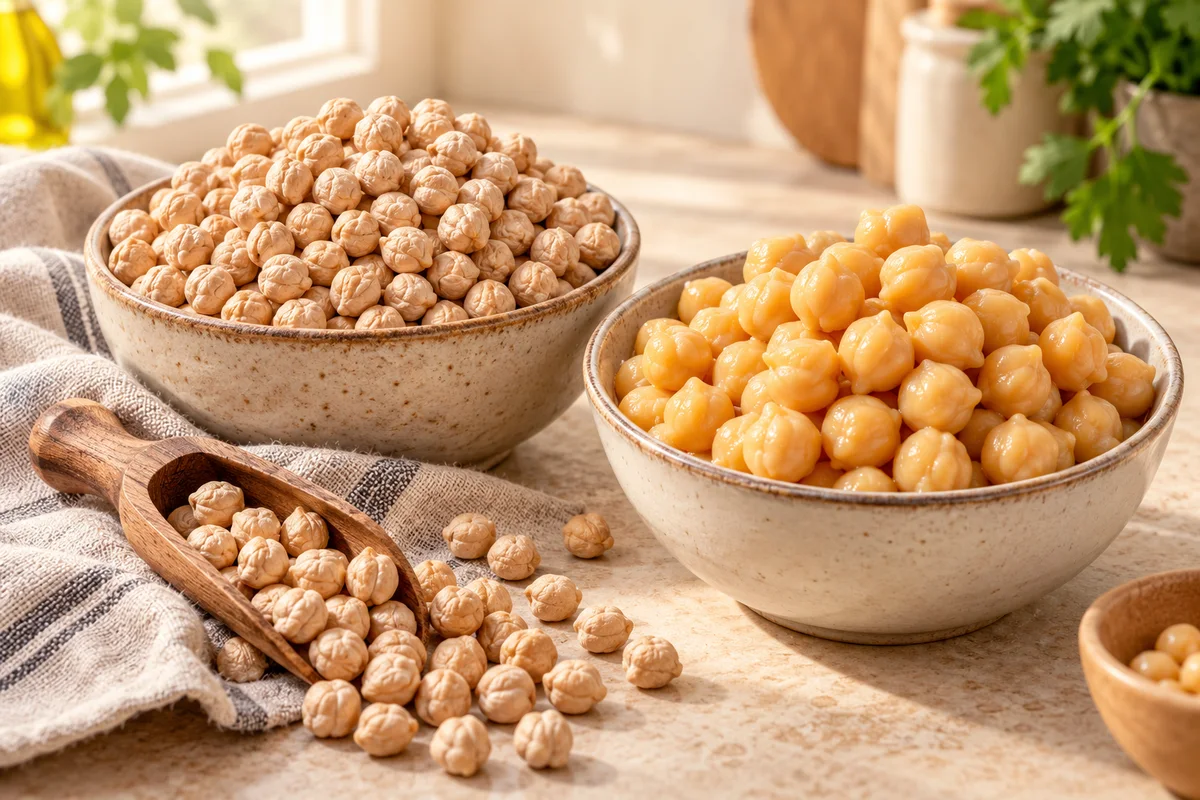
Chickpeas can play several different roles in a meal. A tender bean can become a smooth spread, a firm one can add bite to a salad, and a dry surface can help cooked chickpeas develop a roasted exterior. These are different goals, so they need different decisions. Learning the ingredient means knowing when to start with a can, when a bag of dried chickpeas makes sense, and when a small change in preparation will matter more than another spoonful of seasoning.
This guide focuses on those choices rather than duplicating an existing recipe. It explains how to shop, prepare, cook, season, and use chickpeas in practical dinners. The suggestions avoid pork and alcoholic cooking ingredients, but packaged additions still need their labels checked. Cooking times depend on the chickpeas and your equipment. Use tenderness, surface dryness, and the intended dish as your checkpoints, with package instructions and the linked cooking references as your starting information.
Chickpeas and garbanzo beans are the same ingredient
Chickpeas and garbanzo beans are two common names for the same familiar pulse. A recipe using one term may be suitable for a package using the other, but you should still check the variety and preparation state. A can of cooked beige chickpeas is not interchangeable with every product labeled chickpea. Flour, split chickpeas, and whole dried chickpeas each need their own method. Read beyond the largest word on the front of the package.
For everyday dishes on this site, whole cooked chickpeas are the most useful starting point. They have a distinct bite and enough structure to sit alongside vegetables without disappearing into the sauce immediately. If you are shopping for a particular recipe, identify whether its ingredient list specifies canned, drained, dry, or cooked weight. That small detail prevents a much larger problem than choosing between two brands with similar-looking labels.
Decide between canned and dried before planning dinner
Canned chickpeas make sense when the meal needs to come together soon. The cooking has already happened, so your job is usually to drain, season, heat, or roast them. Dried chickpeas require a separate cooking stage and more time, but give you control over their tenderness and the liquid in which they cook. Neither format is automatically the better choice for every kitchen or every evening. The useful choice fits your schedule and the dish you want.
Compare cost using the amount you can actually eat, not only package weight. A can includes liquid, while a bag of dried chickpeas changes weight during preparation. Also consider whether you will use a large cooked batch or lose track of it in the refrigerator. If you are learning the ingredient, a can offers a manageable first attempt. If you already enjoy several chickpea meals, cooking a bag in portions may be convenient.
Read cans, cartons and bags with a specific purpose
Check a canned product for its ingredient list, drained weight, and storage directions after opening. Plain chickpeas give you more control over flavor than a product already seasoned for a particular dish. Reduced-salt or no-added-salt options may suit your preferences, but do not assume that those descriptions tell you anything about other ingredients or handling. Inspect the container and avoid damaged products that raise a safety concern.
For dried chickpeas, choose a clearly labeled package and keep its directions. If you transfer the contents to a jar, record the purchase date and avoid mixing unidentified batches. Older stored beans can behave differently from a newly purchased bag, so a useful note includes which bag you cooked. Consistency makes troubleshooting easier. A beautiful storage jar is not helpful if it removes the information you need to prepare the ingredient confidently.
Prepare canned chickpeas without adding unnecessary work
Open the can, drain the chickpeas into a strainer, and rinse when appropriate for your dish. Let the liquid run away before adding them to a hot pan. Canned chickpeas do not need the full cooking process required by dried ones. Repeatedly boiling them because they still look like beans can make them softer than you intended and turn a quick meal into a longer, less controlled preparation.
The level of draining depends on what comes next. A wet skillet sauce can accommodate a little clinging moisture; oven roasting benefits from a much drier surface. Think of draining and drying as two separate steps. A strainer removes free liquid, while gentle patting helps remove water on the beans themselves. Prepare the chickpeas before heating the pan so you are not trying to manage a hot surface while still opening packaging.
Sort and soak dried chickpeas thoughtfully
Spread dried chickpeas out where you can inspect them and remove stray material. Rinse them before following the soaking directions on the package or a trusted method. Use a container with room for the chickpeas and water to expand. Do not leave them in a small bowl filled to the rim and then discover that the water level has changed substantially. A little preparation space makes the next stage easier.
Soaking is part of planning, not a way to make the beans immediately ready to eat. They still require cooking until properly tender. If your method involves a long soak, follow its handling instructions and keep food-safety conditions in mind. Avoid improvising an extended soak in a warm kitchen because dinner was postponed. If your schedule cannot accommodate soaking and cooking, canned chickpeas are a practical alternative rather than a failure to cook from scratch.
Simmer dried chickpeas until the center is tender
After the appropriate preparation, cook dried chickpeas in fresh water according to the package or a reliable method. Keep enough liquid in the pot throughout the simmer. The beans should not become exposed and dry while you wait for the center to soften. Check the water level safely and add hot water as needed. A clock helps organize dinner, but it does not establish that every bean has reached the texture you need.
Remove a sample, let it cool, and test the center. A bean intended for blending should crush more readily than one intended for a firm salad. If the outside looks cooked but the middle remains chalky, continue gently rather than raising the heat dramatically. The age of the beans and the cooking conditions can affect the time. Write down what worked with that package instead of assuming one exact minute count applies universally.
Choose tenderness for the next use
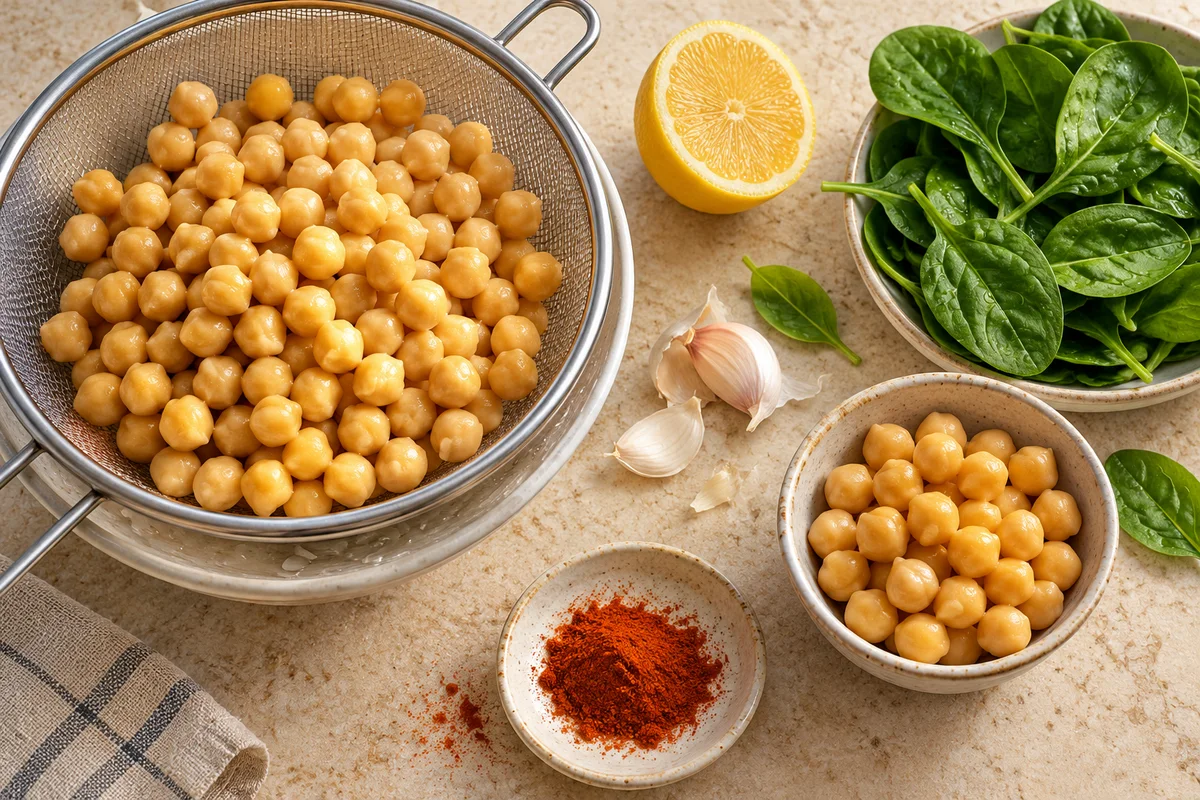
For a vegetable skillet, chickpeas should be pleasant to bite without falling apart every time you stir. For a smooth spread, greater softness is useful because the ingredient needs to blend rather than remain separate. If you intend to roast cooked chickpeas, begin with properly cooked beans and then manage their surface moisture. The oven is not a substitute for completing the cooking of a hard dried chickpea.
When preparing a large batch for several meals, avoid treating every portion identically by default. You can keep one portion slightly firmer for a salad and cook another longer for a mash, provided each is properly cooked for eating. Label the containers with their intended use. A simple note such as salad or blending helps you choose the right portion later without opening three containers and tasting them all again.
Dry the surface for roasted chickpeas
Roasting works differently from simmering. Once the chickpeas are cooked and drained, excess surface water needs to leave before the outside can become drier and more textured. Pat them gently with a clean towel or suitable paper and give them space on the tray. A deep pile holds moisture around the beans. A single layer allows you to see what is happening and makes turning easier.
Use a modest coating of suitable oil and follow a recipe intended for cooked chickpeas. Check during roasting because ovens, tray materials, and bean sizes vary. A bean can look deeply colored before it has the texture you expected, especially with dark spices. Let a sample cool enough to test safely. Expect the texture to change after storage; a roasted chickpea does not necessarily keep its original crispness once sealed in a container.
Use garlic and spices without scorching them
Chickpeas have a mild enough flavor to work with garlic, cumin, paprika, lemon, and herbs, but they do not need all those ingredients in every dish. Choose a direction before opening every spice jar. Garlic and lemon create a different impression from cumin and smoked paprika. A restrained combination lets you taste the chickpeas and makes it easier to notice whether the dish needs salt, acidity, or simply more cooking.
Ground spices and small garlic pieces can darken before the chickpeas heat through, especially on a dry tray or in a very hot pan. Follow the order of additions in your recipe and consider adding delicate ingredients later. If you want to experiment, season a small portion first. That keeps one excessive spice addition from determining the flavor of the whole batch and gives you a useful comparison for the next meal.
Add vegetables in an order that makes sense
A chickpea skillet becomes easier to manage when each vegetable enters at the right stage. Onion and chopped carrot generally need more attention than a handful of tender spinach. Adding everything at once may leave you with firm pieces surrounded by greens that have cooked far beyond your preference. Prepare the vegetables before you start and separate them by when they will go into the pan.
Tomatoes bring liquid as well as flavor, while spinach can release moisture as it wilts. Consider the combined effect before pouring in broth. A mixture that looks dry before vegetables cook may not stay dry. Start with the amount specified by a complete recipe and adjust after observing the pan. If you are building an improvised meal, add liquid gradually so that chickpeas remain part of a skillet rather than unexpectedly becoming soup.
Make a mash without promising a perfect substitute
Cooked chickpeas can be mashed with a fork or blended into a smoother preparation. The result depends on tenderness, added liquid, and the equipment you use. A fork gives a rougher texture, which may be exactly right for a sandwich filling or spoonable side. A blender or processor can make a smoother mixture, but it still needs enough moisture to move rather than strain the machine.
Add liquid in small stages and stop to scrape down safely according to your equipment instructions. If using tahini, remember that it introduces sesame; yogurt introduces milk. Lemon changes acidity, while oil changes richness, and neither does exactly the same job as water. A mash made with different additions can be delicious without being identical to a specific traditional dish. Describe it accurately and choose the texture that suits how you will serve it.
Understand useful swaps and their limits
White beans can sometimes replace chickpeas in a soup or a soft mash, but they have their own texture and may break more readily. Lentils are smaller and may change the consistency substantially, especially if split red lentils dissolve into the liquid. Tofu contributes a different structure and cannot be expected to behave like a bean under the same preparation. A substitution is easier when you identify the role the original ingredient played.
If chickpeas provide the main bite in a bowl, choose a replacement with enough structure for that job. If they thicken a purée, consider softness and moisture instead. Use cooked replacements where a recipe expects cooked chickpeas, and adjust the sequence rather than inserting a dry pulse at the last minute. Keep allergy and dietary checks connected to the actual replacement; a change of ingredient is not automatically a safer choice for every person.
Troubleshoot hard, dry or overly soft results
Hard centers in dried chickpeas call for more appropriate cooking, not simply more seasoning. Check the liquid level and continue gently if the method permits. A salty or spicy coating can make the outside taste stronger while leaving the structural problem untouched. If the beans are very old or the batch remains unsatisfactory, use a different package next time and record the difference rather than changing five parts of the method at once.
Overly soft chickpeas may still work in a mash or soup, even if they no longer suit a salad. Dry roasted beans can be served in a smaller amount as a topping rather than becoming the bulk of a meal. For a skillet that tastes flat, first taste a bean with some of the sauce before adding more spices. Sometimes the missing element is a little acidity or salt; sometimes the sauce simply has not reduced to the intended consistency.
Build a meal with contrasting textures
Chickpeas are easier to enjoy as part of a meal when the other components provide contrast. Pair tender chickpeas with crisp vegetables, or a smooth mash with bread and a fresh salad. A bowl containing soft beans, soft grain, and an equally soft sauce may need something brighter or firmer. You do not need an elaborate garnish: a suitable chopped herb or a little lemon can change the balance.
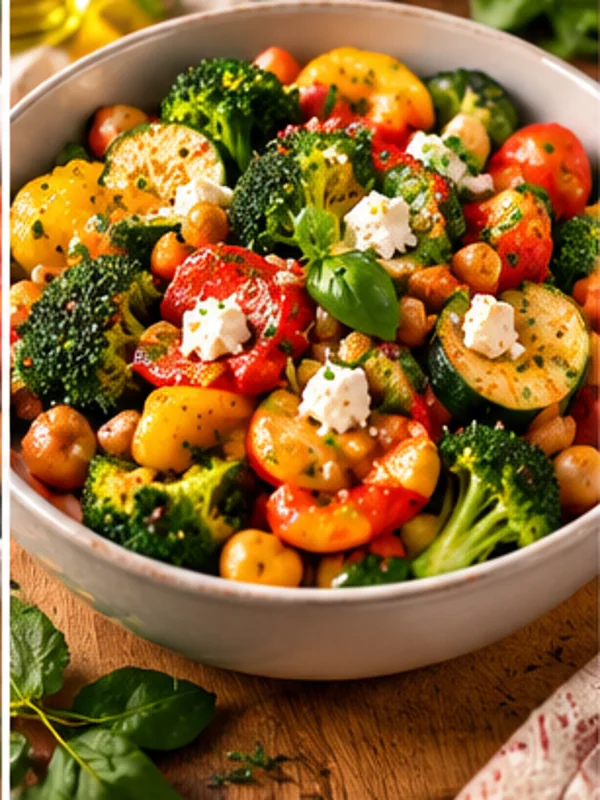
The site's smoky chickpea and spinach skillet gives you a complete sequence when you want a warm dinner, while the chickpea vegetable couscous bowl shows a different serving direction. Use those recipes for measurements rather than treating this guide as an unmeasured recipe card. The ingredient knowledge helps you understand why draining, timing, and vegetable preparation matter, and gives you a better basis for changing the meal later.
Batch preparation starts with portions and labels
Before cooking a large amount, decide how you will divide it. One container for a skillet and another for a mash is more useful than a single oversized tub that you repeatedly open. Include the cooking date, added seasonings, and any broth information on the label. If you are freezing portions, leave appropriate room in the container and follow its freezer instructions. A realistic plan is more useful than a batch size chosen only because the pot is large.
Keep a small note about tenderness and the amount you used in each meal. Package sizes differ, and the portion that suited your bowl may not correspond neatly to one can from another brand. Over time, your notes can help you shop for the amount your household actually eats. The goal is to reduce repeated decisions and unused leftovers, not to turn a simple ingredient into a complicated meal-preparation project.
Store cooked chickpeas and protect their quality
Cool cooked chickpeas promptly in shallow containers and refrigerate them rather than leaving a deep pot to stand. Follow the linked safety guidance and the product's instructions after opening. Freeze portions you will not use soon. Keep clean utensils for serving and separate prepared chickpeas from raw meat preparation. Flavor and appearance alone cannot establish whether leftovers were handled safely.
For reheating, choose the method that fits the finished dish. Chickpeas in a sauce may need a little extra water and stirring; a roasted topping has different texture expectations. Heat only the portion you need when practical. Keep lemon, fresh herbs, and other finishing ingredients separate until serving, so you can adjust them after the main component is warm. A stored dish often needs a small balance adjustment, not a second full round of seasoning.
Make your next chickpea meal easier to repeat
A repeatable result comes from a few observations: which product you bought, whether it was canned or dried, how tender you made it, and how much moisture remained before the final method. Those details explain far more than a vague instruction to cook until done. If a meal worked well, write down the useful particulars while they are still fresh. If it did not, change one relevant decision on the next attempt.
Start with the format that fits your schedule, choose the texture for the meal, and let the supporting ingredients do distinct jobs. Chickpeas do not need a long ingredient list to become a satisfying part of dinner. They need a method appropriate to their preparation state and a clear idea of the role they will play. Once those decisions become familiar, a can or a cooked batch becomes a flexible starting point rather than an ingredient waiting for a special occasion.
Frequently asked questions
Do canned chickpeas need cooking?
They are already cooked. Drain, prepare and heat or serve according to the dish and product instructions.
Why are my roasted chickpeas not crisp?
Check surface moisture, tray crowding and the method. Start with cooked chickpeas and dry the surface before roasting.
Can chickpeas replace lentils?
Sometimes they can fill a similar role, but they change texture, size and preparation. Use an appropriate method for the replacement.
Sources and further reading
These references support ingredient and handling guidance. They have not tested or endorsed recipes on this site.
Use complete recipes for measurements, and follow product and equipment instructions. Meal suggestions here avoid pork and alcoholic cooking ingredients; check packaged products and personal dietary requirements separately.