How to Cook Brown Rice: Water, Timing, Texture and Better Leftovers
Choose brown rice by format, compare cooking methods, control water and heat, and plan bowls, bakes and safe leftover handling.
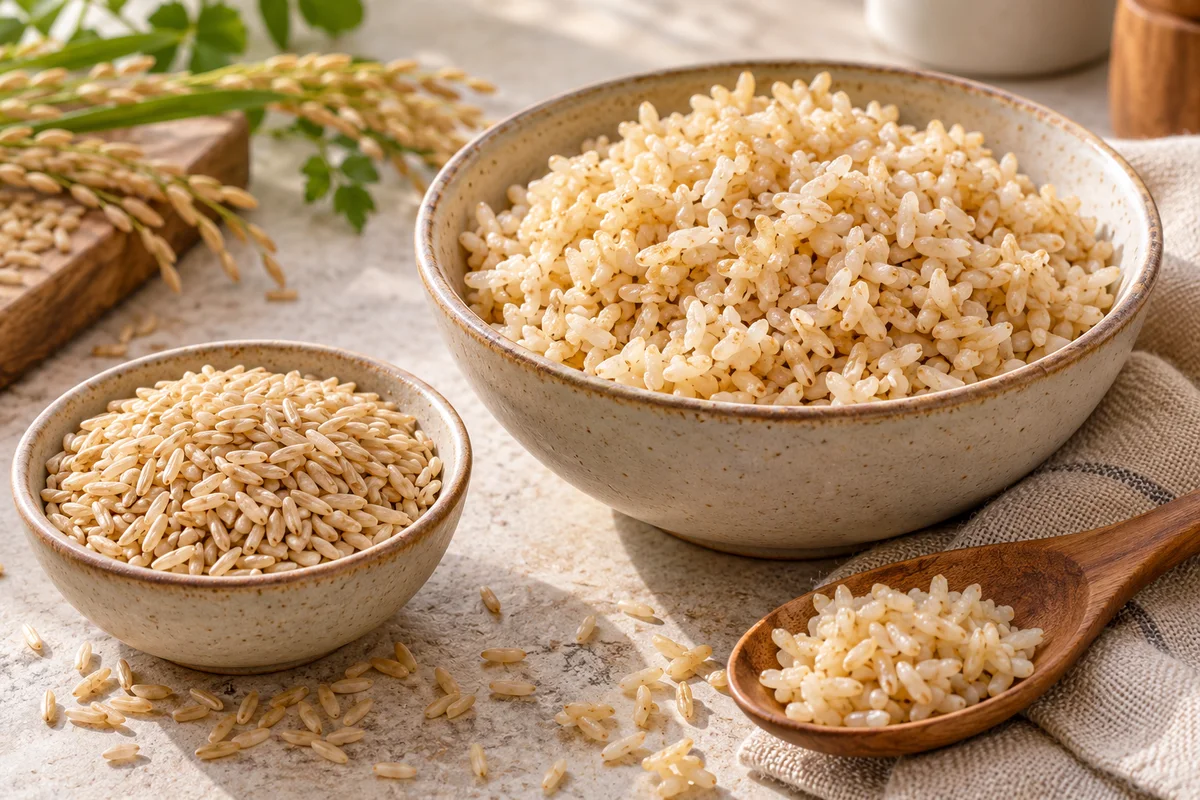
Brown rice is useful when you want a grain with a noticeable bite and a mild flavor that can support vegetables, beans, or a saucy main. Its cooking needs differ from ordinary white rice, and that difference matters in a busy kitchen. A short white-rice method can leave it unpleasantly firm, while excessive liquid or prolonged cooking can produce a heavy result. The useful goal is tender rice with the degree of separation your meal needs, rather than a single ratio repeated without regard to the product.
This guide explains how to read the package, choose a method, assess the grain, and plan the finished meal. It complements the site's brown rice and broccoli bake rather than creating a second version of that recipe. Suggestions avoid pork and alcoholic cooking ingredients. Times and liquid amounts are starting information, not guarantees across brands and cookware. The illustrations are 3D renderings, and the guide does not claim documented kitchen testing or individualized nutrition advice.
What makes brown rice different from white rice
Brown rice retains the bran and germ that are removed to produce ordinary white rice. For cooking, the practical result is a different texture and generally a longer preparation time. The grain can remain pleasantly chewy when fully cooked; that is different from a hard or chalky center. Learning to distinguish those sensations helps you stop at a useful point rather than continuing until every trace of bite has disappeared.
The name brown rice does not identify one exact grain shape or processing method. Long-grain, medium-grain, short-grain, parboiled, and quick-cooking products can need different instructions. Read the whole package before choosing a water amount. A method written for ordinary long-grain brown rice may not suit an instant product, and a rice-cooker cup is not necessarily the same measure as the cup used in a stovetop recipe.
Choose the grain shape for the meal
Long-grain brown rice can be a useful starting point when you want distinct grains in a bowl. Shorter-grain products may give a more cohesive texture that suits other preparations. Neither texture is automatically superior. Think about whether the rice will sit under sauce, mix through a casserole, or become part of a salad. The meal's structure should guide the purchase rather than a general claim that one rice is always best.
If you are following a recipe, use the specified type for the first attempt. A change in grain shape can affect both the finished bite and how the surrounding liquid behaves. Once you know the original result, try another type deliberately and follow its cooking instructions. Keep the rest of the meal simple enough to notice the difference, instead of changing the rice, sauce, vegetables, and equipment all at once.
Identify quick-cooking and ready-cooked products
Quick-cooking, instant, parboiled, and ready-to-heat rice are not all the same format. Some still need measured water and a brief cooking stage, while others are already cooked and need heating according to the package. A recipe's phrase cooked brown rice describes a preparation state, not a specific package size. Do not pour a pouch into the same amount of liquid intended for dry rice and expect the balance to remain unchanged.
Convenience products can be practical, especially for a recipe that begins with cooked rice. Compare the ingredients, portion amount, price, and handling directions. Seasoned products may introduce salt, flavorings, or ingredients that alter the dietary description. Plain rice gives you more control over the finished dish. Choose the format that fits your schedule, then follow the directions for that actual format rather than treating convenience as a reason to skip the label.
Store the dry ingredient with its label
Buy a quantity you can realistically use and keep the package information. If you transfer rice to another container, label it with the type and purchase date. Avoid combining old and new batches without knowing what they are. Brown rice has a different storage profile from highly milled white rice, so follow the package's advice and do not assume every dry grain keeps identically under every kitchen condition.
Keep the container closed in an appropriate dry storage location, away from conditions that compromise the product. Check the ingredient before cooking, and discard anything that raises a spoilage concern rather than trying to cover an unusual odor with spices. A clear storage system is useful for flavor and for planning: you can see what you have, choose a realistic batch size, and avoid buying another bag because the first has become unidentified.
Rinse when your product or method calls for it
Use a fine-mesh sieve or another suitable method to rinse the rice when directed. Keep the grains contained and let excess water drain. Rinsing is a preparation choice, not a substitute for correct cooking or safe storage afterward. Different sources and products give different advice about its effect on texture, so follow the package and the complete method you have selected rather than mixing several instructions casually.
Measure the dry rice before rinsing if your recipe uses a dry measure. A dripping, unmeasured heap is difficult to pair with a precise amount of water. Prepare the pot and lid before starting so the rinsed rice is ready to use. If you want to compare rinsed and unrinsed results later, keep the rice, cookware, and liquid consistent. That creates a more informative experiment than changing the whole process between attempts.
Choose between absorption and excess-water cooking
An absorption method uses a measured amount of liquid intended to be taken up or evaporated during cooking, followed by a rest. An excess-water method cooks the rice in more water and drains it when tender. Each can be useful, but their instructions should not be combined halfway through without understanding why. The first requires attention to ratio, lid, and heat; the second requires a suitable strainer and a clear tenderness check.
Pick one method for the rice you have. If you prefer the simplicity of a covered pot, start with the package's absorption instructions. If a trusted recipe uses boiling and draining, follow that sequence as written. The right choice is the one that produces a useful texture with your equipment and fits your meal timing. A method does not become better simply because it uses more steps or a more confident-sounding universal ratio.
Start with the package water ratio
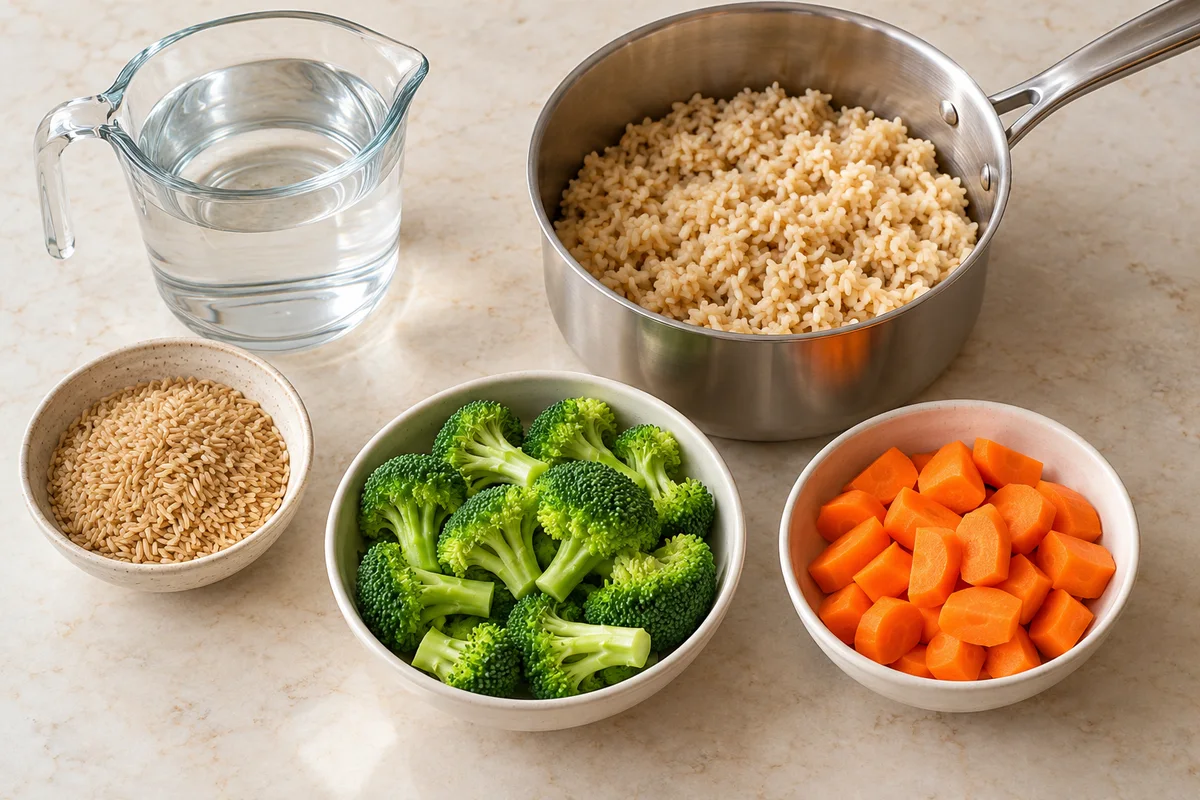
Published ratios for brown rice vary because they refer to different rice types, pots, and methods. For example, the USA Rice cooking chart gives an approximate starting point of two and one-quarter parts liquid to one part medium- or long-grain brown rice by volume, while advising readers to verify the package. That is useful context, not permission to ignore the specific product in your cupboard.
Measure both rice and water consistently. If the first result is not what you wanted, note whether the rice was tender, whether free liquid remained, and how the lid behaved. Those observations are more useful than declaring the ratio wrong without context. Make a small, measured adjustment next time while keeping the pan and heat steady. A large unrecorded change can create the opposite problem and teach you very little.
Manage heat and leave room for the covered stage
Use a saucepan with enough capacity for the rice, liquid, and bubbling specified by the method. Bring it to the required boil, then reduce the heat for gentle cooking and cover as directed. A lid that rattles over a strong boil may signal more heat than the method needs. Too much heat can drive off water before the grain has softened, particularly if the pan is broad or the lid fits poorly.
Avoid stirring or lifting the lid repeatedly unless the method asks you to. Each interruption changes the cooking conditions and makes the original timing less meaningful. Plan another part of dinner during the covered stage, but stay aware of the stove. If the pot smells scorched or behaves unexpectedly, check it safely rather than following a timer blindly. A numbered burner setting is a guide to your appliance, not a universal cooking temperature.
Test the center rather than judging by color
Brown rice remains brown when cooked, so color is not a useful doneness test. Take a small sample, let it cool, and assess the center. A pleasant chew differs from a hard, dry middle. Check more than one grain if the pot may be uneven. If the rice is still too firm and the water is gone, a little hot water and continued gentle cooking may help, depending on the method.
If the grains are tender but excess water remains, avoid cooking indefinitely just to remove it. A suitable drain-and-rest step may preserve the texture better than prolonged simmering. Note what happened for the next batch. The aim is not to defend the original ratio at the expense of dinner; it is to finish the rice appropriately now and understand which part of the process needs adjusting later.
Rest before fluffing the rice
A covered rest is part of many absorption methods, not merely a delay before serving. Follow the package or recipe and allow the rice to settle off the heat. Then fluff gently with a suitable utensil instead of stirring aggressively through the entire pot. You are loosening the grains, not trying to whip air into a mixture. A heavy hand can compress a tender batch and make it seem wetter or denser.
Coordinate the rest with the final stage of the vegetables or sauce. This makes rice easier to serve at the right time without keeping it over heat unnecessarily. Cooking quality and safe handling are separate considerations: a reasonable recipe rest does not justify leaving cooked rice out for hours. Decide in advance which portion will be eaten and which will be cooled promptly for storage.
Use a rice cooker according to its own measures
Rice cookers often provide their own measuring cup, water markings, and settings. Follow the appliance directions together with the rice package rather than assuming a stovetop ratio can be transferred unchanged. If there is a brown-rice setting, read what it requires. Different machines use different cycles and capacities, so a result from another cooker is a useful idea rather than an exact instruction for yours.
Stay within the manufacturer's minimum and maximum amounts and keep the appliance clean. If the result is consistently too wet or firm, record the rice type, measure, water level, and cycle before changing anything. A small controlled adjustment is more useful than alternating between cup systems. Do not treat a warm function as permission for unlimited storage; follow the appliance and food-safety directions for holding and handling cooked rice.
Match broth and seasonings to the finished meal
Plain water creates a flexible batch for several meals. A suitable broth can give a more specific savory base, but it also contributes salt and other ingredients. Check labels for pork and alcoholic cooking ingredients when following the approach used here. Concentrates need their specified dilution; adding a generous spoonful without measuring may overwhelm a small batch before you have tasted it with the rest of the meal.
Think about the sauce that will accompany the rice. A strongly seasoned curry, vegetable skillet, or lemon dressing may need a quiet base. Herbs, citrus, and oil can be added later to individual portions if you are batch cooking. This keeps the rice useful for different dinners. Season the assembled meal in context rather than making every separate component as intense as possible and discovering that the final bowl lacks balance.
Prepare rice for a casserole or bake
A recipe that calls for cooked brown rice expects rice that has already reached the appropriate texture. Adding dry rice instead changes the liquid and time requirements dramatically. Conversely, adding ready-cooked rice to a method designed to cook it from dry can produce an overly soft result. Read the ingredient description carefully before assembling the dish. The word cooked is doing important work in a casserole ingredient list.
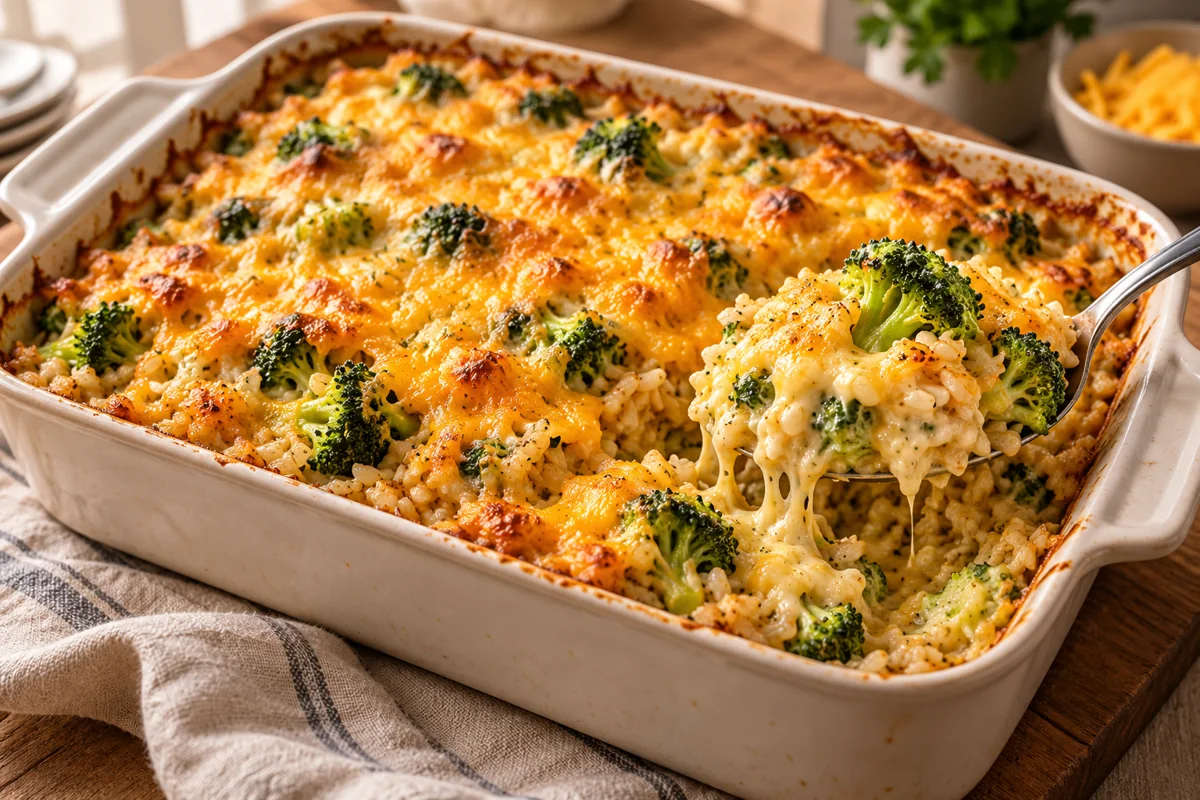
The site's broccoli and brown rice bake provides a complete example using a planned combination of rice, vegetables, and sauce. Use its measurements and sequence rather than treating this guide as a replacement recipe. If you change the rice format, resolve that preparation stage first. A casserole can finish and heat components together, but it should not be expected to correct an unidentified rice texture problem hidden under cheese.
Build a bowl that contrasts with the grain
Brown rice has a noticeable bite, so consider how the rest of the bowl will balance it. Tender beans, roasted vegetables, a crisp fresh element, or a measured sauce can each contribute something distinct. A bowl does not need a long list of toppings to feel complete. Choose a few components with clear roles and coordinate their timing so the rice is not waiting indefinitely while another ingredient cooks.
For a pork-free and alcohol-free direction, use clearly identified proteins, vegetables, and checked seasonings. Keep raw meat preparation separate from cooked rice and follow the protein's own cooking requirements. A hot grain does not establish the doneness of chicken or seafood placed above it. If serving several people, keep optional toppings separate when useful so ingredients remain visible and the meal can be adjusted without remaking the entire bowl.
Diagnose a hard center, wet grains or a scorched base
A hard center with no water left points you toward insufficient available moisture or excessive evaporation, rather than an immediate need for more salt or butter. A tender grain in standing water is a different problem. A burnt base suggests attention to heat, pan, or interruptions. Naming the issue precisely helps you choose a relevant correction instead of labeling every unsatisfactory batch undercooked or mushy.
If the bottom has scorched, avoid scraping burnt material through the whole pot. Assess whether the unburnt portion can be transferred appropriately and whether its flavor remains acceptable. Do not expect extra sauce to remove a burnt taste. For the next attempt, use the same rice with a more controlled heat and a clear timer. Changing several seasonings will not explain a problem rooted in how the pot was heated.
Cool cooked rice promptly
Cooked rice needs careful handling just like other perishable cooked foods. Divide leftovers into shallow containers and refrigerate promptly rather than leaving a large pot at room temperature. Use the linked safety guidance for storage and reheating. Do not rely on smell, appearance, or the plan to reheat later as a substitute for correct cooling. Label portions so their preparation date stays clear.
Portion before storage when practical. A container for one meal is easier to use than repeatedly warming and cooling a large batch. Keep sauces and toppings separate if that helps the intended texture and makes handling simpler. Follow the complete dish's requirements when rice is mixed with meat, seafood, dairy, or other ingredients. The way the rice was cooked does not make every possible mixed leftover safe for the same handling conditions.
Reheat for even warmth rather than dry edges
A refrigerated portion may be compact and dry-looking before reheating. Add a small amount of water if appropriate, cover according to the appliance directions, and redistribute as needed for even heating. Check the center rather than assuming a hot container means the food is hot throughout. Follow food-safety guidance for the required reheating standard and use a suitable thermometer when needed.
Avoid adding so much water that a previously separate batch becomes a wet mass. Adjust gradually after it starts warming. A little fresh herb or citrus at serving can refresh the flavor, but it does not replace proper reheating. If you want rice for a cold dish, use a safe preparation and storage plan for that purpose rather than leaving it out to cool slowly until it feels convenient to assemble the salad.
Keep a short record of a successful batch
Write down the rice type, dry amount, water, pot, covered cooking stage, and rest when you get a texture you like. You do not need a complicated notebook; a clear phone note is enough. Add how you used the rice, because the ideal texture for a bowl may differ from what you prefer in a bake. Those details make a future adjustment purposeful rather than another guess.
Brown rice becomes easier when it is treated as a specific product cooked by a coherent method. Choose the format, measure consistently, assess the center, and plan safe handling for leftovers. Then let the rest of dinner provide its own flavor and contrast. A reliable routine is more useful than a universal promise, because it reflects the rice and equipment you actually use and the meals your household enjoys.
Frequently asked questions
Can I cook brown rice like white rice?
Ordinary brown rice generally needs different timing. Follow the specific product instructions.
Can ready-cooked rice replace dry rice in a bake?
Only with an appropriate adaptation. Preparation state changes the liquid and cooking requirements.
Why is my brown rice hard in the middle?
Check available water, heat, lid and time. A pleasant chew is different from a hard, dry center.
Sources and further reading
These references support ingredient and handling guidance. They have not tested or endorsed recipes on this site.
Use complete recipes for measurements, and follow product and equipment instructions. Meal suggestions here avoid pork and alcoholic cooking ingredients; check packaged products and personal dietary requirements separately.