Lodge vs Le Creuset: Is a Premium Dutch Oven Worth It?
Compare Lodge vs Le Creuset Dutch ovens: premium Le Creuset Signature, budget trade-offs, size, enamel, care and what to verify before buying.
Research-led buying guide based on published manufacturer details. No hands-on testing or invented ratings.
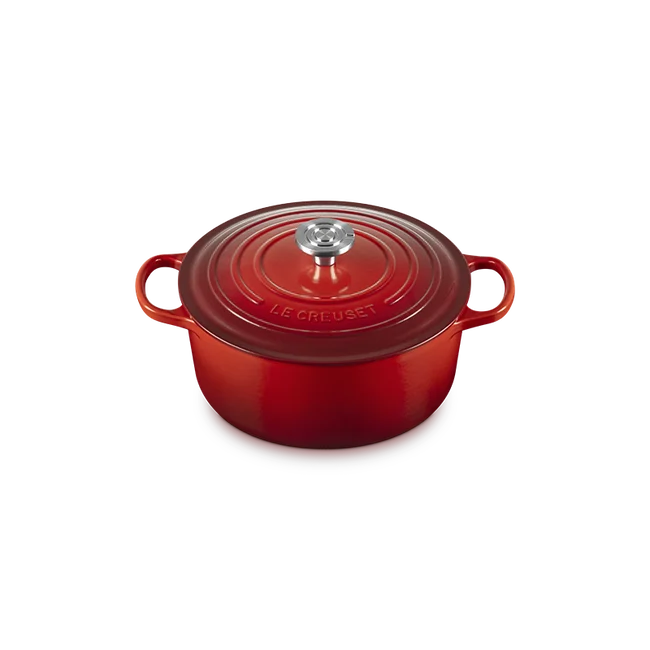
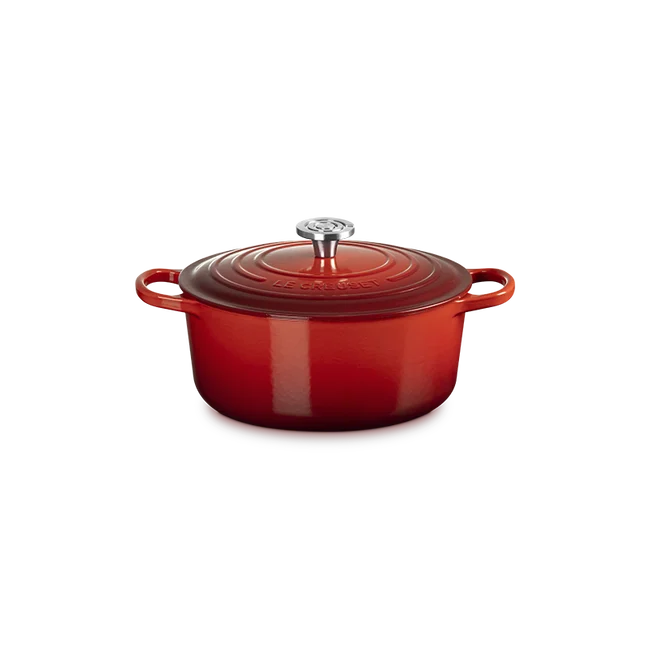
Le Creuset Signature · Cerise · US 5.5 qt reference. Manufacturer photo. Source: Le CreusetSide profile of the same reference. Knob and finish may vary by retailer version. Source: Le Creuset
Choose the Le Creuset only if its size, handling and premium cost suit your cooking. Compare the Lodge Essential Enamel for a smaller financial commitment. Verify the selected Amazon variant: some capacity fields conflict, and prices and regional routing can change.
Lodge vs Le Creuset is a decision about budget, size and daily handling. This research-led guide focuses on the premium Le Creuset Signature round Dutch oven and compares it with the Lodge Essential Enamel 6-quart alternative. It is not a hands-on review. We explain published features, practical pros and cons, retailer variant uncertainty and when a $200-plus purchase may be reasonable. The guide does not require you to buy premium equipment to cook our recipes.
Explore this guide · 19 sections
Published features at a glance
Featured premium range
Le Creuset Signature round; verify the selected family-size variant
Budget comparison
Lodge Essential Enamel, 6 qt; a different nominal capacity
Material
Enameled cast iron; not bare seasoned cast iron
Published oven reference
Up to 500°F for the specified US models; verify the actual knob and current instructions
Retailer verification
ASIN B00VA5HG0Q; inconsistent 3.3 L and family-size fields require seller confirmation
Price context
Le Creuset US manufacturer SRP $455 observed October 28, 2026; not a live Amazon price
How to choose the right equipment
01
Confirm the exact size
The comparison uses a family-size Le Creuset and a Lodge 6-quart alternative. Check selected capacity, model number and dimensions together; the linked listing contains conflicting capacity fields.
02
Treat $200-plus as a budget category
The Le Creuset US manufacturer page showed a $455 suggested retail price on October 28, 2026. That is a dated reference, not a current Amazon offer. Check currency, seller and delivery.
03
Check lifting and storage
Compare your cupboard, sink and oven space, including handles and lid. Choose a pot you can manage comfortably when filled.
04
Read care instructions first
These are enameled cookware models. Do not apply bare-iron seasoning advice or assume that every knob and finish has identical care and temperature limits.
Product details and trade-offs
We describe real models and published features without claiming laboratory winners. Paid retailer links are identified. We do not display a live Amazon price; confirm the current offer and exact version on the retailer’s site.
The featured premium product is the Signature round model. Manufacturer references and the selected Amazon variant must be checked together because retailer capacity fields conflict.
Who should compare it: Frequent cooks whose handling preferences and budget justify premium enameled cookware
Reasons to consider
Light-colored interior provides a visual reference while cooking
No bare-iron seasoning routine for the enamel cooking surface
Stovetop-to-oven format for compatible recipes
Multiple published sizes allow a choice suited to household needs
Things to consider
Premium purchase cost; compare total delivered price
Heavy cookware requires comfortable lifting and storage
Retailer title and specification capacity fields conflict
Regional offer, knob, finish and return terms need verification
We may earn a commission if you purchase through this link, at no extra cost to you.
A separate 6-quart enameled model provides a practical budget comparison. It is not the same capacity as the featured Le Creuset and is not presented as a measured performance equivalent.
Who should compare it: Readers comparing an enameled alternative with a smaller financial commitment
Reasons to consider
Budget comparison for a family-size enameled pot
Manufacturer lists induction compatibility
Loop handles and a stainless-steel knob are listed features
Things to consider
Larger nominal capacity is not automatically a better fit
Heavy cookware still requires suitable lifting and storage
Essential Enamel origin differs from some other Lodge ranges
The useful question is not which name is more prestigious. It is whether the premium model solves a problem that matters in your kitchen. Someone who cooks a large pot of beans every weekend has a different purchase to make from someone who wants an occasional soup pot. Start with the meals, the available storage and the amount you can spend comfortably. A lower-priced enameled pot can still be a sensible choice; a premium purchase needs a reason beyond looking attractive in a photograph.
This guide compares the Le Creuset Signature round family-size model with the Lodge Essential Enamel 6-quart alternative. They are not identical capacities, and this is not a controlled cooking test. The Le Creuset is the featured premium product. The Lodge provides a practical budget comparison. We separate published specifications from our advice about choosing, using and maintaining a pot, so you can decide which details matter before opening a retailer offer.
Why the featured product belongs in a $200-plus budget
During our October 28, 2026 check, Le Creuset’s US page listed the Cerise Signature 5.5-quart model at a $455 suggested retail price. A retailer check also displayed an offer above $200, but an offer can change with seller, location, size and color. The manufacturer figure establishes the premium budget category; it is not a promise about the price in your Amazon basket. We do not display a live Amazon price or calculate a discount from a different market’s reference price.
Our paid shopping links start at Amazon.fr, where the publisher’s supplied affiliate identifier is registered. Amazon may redirect visitors to another regional store. Confirm the store, currency, selected model, shipping charges and return conditions before buying. A French euro offer and a US dollar reference price are different offers, not interchangeable numbers. Do not increase your budget merely because an article calls a product premium: the purchase should still be affordable after delivery and any applicable import costs.
Check the selected size before trusting a product title
The linked Amazon product is identified by ASIN B00VA5HG0Q. Our checks found inconsistent capacity information: the selected product was shown as a 26 cm or 5.5-quart model, while some title or specification fields said 3.3 liters. The manufacturer’s French size chart gives 5.3 liters for its 26 cm round model. This discrepancy is a reason to verify the variant with the seller, not a reason to quietly pick whichever specification looks more attractive.
Read the selected size control, model number, photographs and dimensions together. If they disagree, ask the retailer to confirm the capacity of the unit that will be shipped. Save the written answer and check the return process before ordering. Do not assume that reviews attached to a shared listing describe the same size or color you have selected. We keep the uncertainty visible because a family-size recommendation is only useful when the delivered pot is actually the intended family-size version.
Choose capacity from actual meals and portions
Think in terms of your usual cooking session. A soup for two, a batch of tomato sauce and a family braise occupy different amounts of space. Leave working room for stirring, adding vegetables and managing a simmer. Filling any pot to its brim makes normal kitchen tasks harder. The Le Creuset family-size reference and Lodge’s 6-quart pot are useful neighboring choices, but the extra nominal capacity does not automatically make one more convenient.
Look at a pot you already own and compare its usable space with your largest common recipe. If you normally cook smaller meals, a large premium pot may spend more time in the cupboard than on the stove. If batch cooking is your priority, check freezer-container space as well as pot size. Buying a large vessel makes little sense if you cannot cool, portion and store the food you prepare. Recipe yield is a planning aid, not a guarantee that a particular pot suits every household.
Measure the route from cupboard to cooktop
A Dutch oven has to fit more places than the burner. Measure the cupboard opening, shelf depth, sink and oven space. Include the handles and lid rather than using only the advertised rim diameter. Think about where a hot lid will rest while you stir. A secure heatproof landing area near the stove is more helpful than a beautiful pot that has nowhere safe to go when dinner is ready.
Then imagine the same route with the pot full. Dry handling in a shop is different from moving several portions of hot food. If lifting is uncomfortable, plan to serve at the stove or choose equipment that is easier to manage. Do not treat weight as a badge of quality that cancels out your needs. Good equipment should make your cooking routine more manageable. A smaller pot, a lighter saucepan or two smaller batches may be the better choice even when a large Dutch oven would fit on paper.
Enameled cast iron is different from bare cast iron
Both products compared here use an enamel-coated cooking surface. They should not be confused with a bare cast-iron camping oven or a skillet that you maintain through seasoning. Identify the material before following online cleaning advice. Instructions for scrubbing and reseasoning bare iron can be inappropriate for an enameled surface. Likewise, an outdoor recipe written for a camp oven is not automatic permission to put a kitchen cocotte over a fire.
Treat the enamel as a cooking surface that deserves careful handling. Use utensils and cleaning methods allowed by the exact manufacturer. Avoid the idea that an expensive coating is indestructible. A good habit is to read the short care section before the first cooking session, while the pot is clean and cool. Keep the instructions where you can find them later. That preparation is more valuable than learning a cleaning shortcut after food has already stuck or the finish has been damaged.
Compare the interior by the way you cook
The Le Creuset Signature’s light interior is a practical feature for cooks who like seeing the color of onions and the development of browned food. That does not establish that it browns faster or produces better flavor than the Lodge. Those would require comparable cooking measurements. When shopping, look at clear interior photographs of the exact alternative you are considering, because a brand name alone does not describe every product in its range.
Ask whether your usual dishes benefit from that visibility. A beginner learning to soften aromatics might value an easy visual reference. Someone who mostly makes a tomato-rich bean stew may prioritize capacity and cleaning instead. Distinguish a helpful design preference from a performance claim. Neither a pale interior nor an attractive exterior substitutes for paying attention to the burner, the amount of liquid and the point when ingredients need stirring. The cook’s method still matters, whichever pot is chosen.
Handles and lid comfort deserve a serious check
Handles are easy to overlook in a product grid, yet they affect every transfer between stove, oven and table. Check the space available for your own oven mitts. Look at the lid knob separately from the side handles: the lid is often lifted repeatedly while the pot stays in place. A comfortable grip can matter more in daily use than owning the most fashionable color or selecting a finish that matches another appliance.
Do not interpret photographs as proof that a handle remains cool during cooking. Use appropriate heat protection and the product instructions. If possible, compare a similar empty pot in person before committing to a large purchase. If shopping online, read dimensions and return terms carefully. A design that feels comfortable for one person may be awkward for another. Our comparison cannot assess your grip, strength, cupboard height or the width of the mitts you use, so those checks remain part of the buying decision.
Stovetop compatibility is only the first check
Both manufacturers list induction compatibility for these ranges. That is useful information, but it does not replace checking the appliance instructions and the exact pot base. Match the cooking zone appropriately and avoid unstable positioning. On a glass surface, lift a heavy pot instead of dragging it. Confirm that handles do not obstruct nearby controls or create an awkward reach over another hot burner.
A familiar mistake is to treat a new premium pot as permission to use the highest heat setting. Start from the manufacturer’s guidance and observe how your own stove responds. You do not need an invented claim about energy savings to decide whether the equipment is suitable. Safe positioning, an appropriate heat level and enough room to work are concrete things you can evaluate. If the fit is poor, buying a more expensive model does not solve the underlying mismatch between cookware and cooking space.
Read the oven limit for the complete assembly
Le Creuset’s US reference page and Lodge’s Essential Enamel page list oven use up to 500°F for the specified models. Always check the instructions that come with the unit you buy, including its lid knob and any replacement parts. A temperature stated for the body does not justify assuming every accessory, decorative knob or unrelated model has the same rating. Retail listings can combine details from several versions.
For a stove-to-oven meal, plan the transfer before heating the pot. Make sure the oven rack is positioned appropriately and that a heatproof surface is ready when the cooking is finished. If a recipe calls for a method outside the manufacturer’s directions, choose a different recipe or suitable equipment. This guide does not extend a warranty or approve a technique. The current instructions for your exact pot remain the authority for operation, particularly when using high heat or unusual cooking methods.
How to assess value without imaginary cooking scores
Premium cookware is easier to evaluate when you write down the benefit you expect. It might be comfortable handling, a particular capacity, a finish you enjoy or a product you intend to use frequently. Then ask whether that benefit is worth the difference in total cost. A brand history or a long warranty may matter to you, but neither guarantees that dinner will taste better or that the pot will never need replacing.
A simple personal calculation is to divide the amount you can reasonably spend by the number of times you expect to use the pot. Treat that as a planning exercise, not a forecast: cooking habits change. Do not use a projected resale value or a supposed lifetime of service to justify a price you cannot afford now. A sensible purchase leaves room in the budget for ingredients, suitable utensils and the ordinary costs of cooking. Value comes from a useful fit, not from winning a comparison chart.
When the Le Creuset is the more persuasive choice
The Le Creuset becomes easier to justify when the specific size and handling suit you, you cook this way often and the premium fits your budget comfortably. Its published design gives a clear set of features to consider; you do not need to invent a laboratory victory to appreciate a product that fits your preferences. Check the exact regional version rather than buying only from the reputation attached to the name.
Consider waiting if you are still discovering what you cook regularly. A few months using your current saucepan can reveal whether the real limitation is capacity, a lid that fits poorly or simply a need for better meal planning. The answer might lead you to Le Creuset, but it might lead to a smaller pot or no purchase. Our featured link is an optional shopping route, not a requirement for the recipes on this site. You should be able to explain the upgrade in your own words before paying for it.
When the Lodge alternative makes more sense
The Lodge Essential Enamel is a useful comparison for a reader who wants an enameled Dutch oven while keeping more of the budget available for other needs. Evaluate the actual 6-quart model rather than assuming every Lodge product has the same construction or origin. Lodge’s own page identifies the Essential Enamel line as made by partners in China or Vietnam. That information should not be confused with the origin of the brand’s other cookware lines.
Choose by the exact product’s fit and instructions. If the capacity, handles and storage requirements work for you, the lower-cost position may be the more important practical feature. That does not mean we have proved identical cooking performance, nor does paying more establish better results in every recipe. There is no need to assign invented star ratings to make the trade-off clear. One option asks for a smaller financial commitment; the other asks you to value its particular design and brand proposition enough to pay the premium.
Cleaning habits are part of the ownership cost
Before buying, think about the sink and the washing routine. A heavy pot is not convenient if cleaning it is uncomfortable after every meal. Read the approved care instructions for the specific finish, then use the least aggressive method that deals with ordinary food residue. Let cookware cool as directed instead of creating a sudden temperature change simply because you want to wash it immediately.
Do not assume that a dishwasher-safe label means repeated machine washing is the preferred care routine for every part. Knobs, decorative finishes and regional models may have different advice. Store the pot dry and avoid stacking it in a way that damages the rim or interior. None of this requires buying a shelf of specialized accessories in advance. Start with approved utensils and cleaning materials you already own, then add something only if it solves a genuine maintenance problem.
Cook pork-free and alcohol-free meals with ordinary ingredients
The equipment does not determine whether a dish meets your dietary requirements. Ingredients do. For a bean stew, soup or tomato-based pasta, choose plain packaged ingredients and check broths, sauces, cheese and seasoning blends. If you avoid alcohol, do not add cooking wine merely because a traditional braise calls for it. Choose a recipe written for your needs instead of assuming that reducing a wine sauce removes every concern.
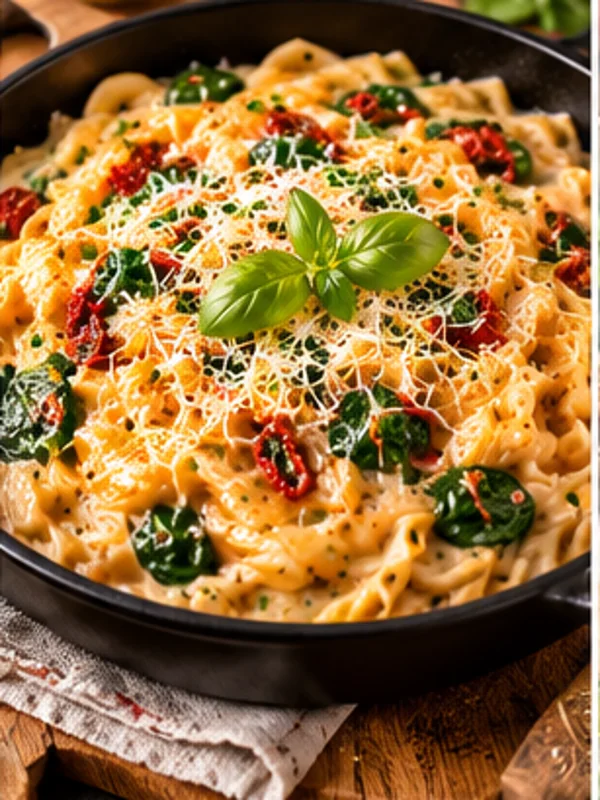
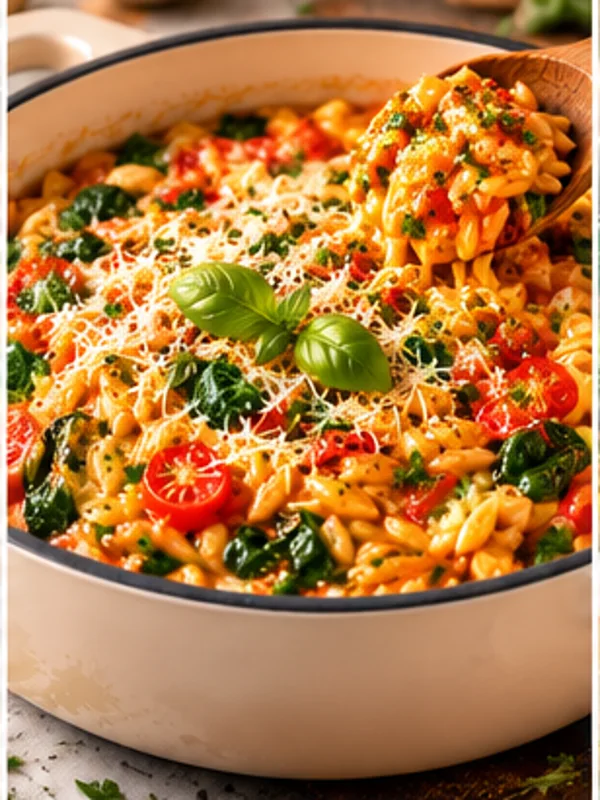
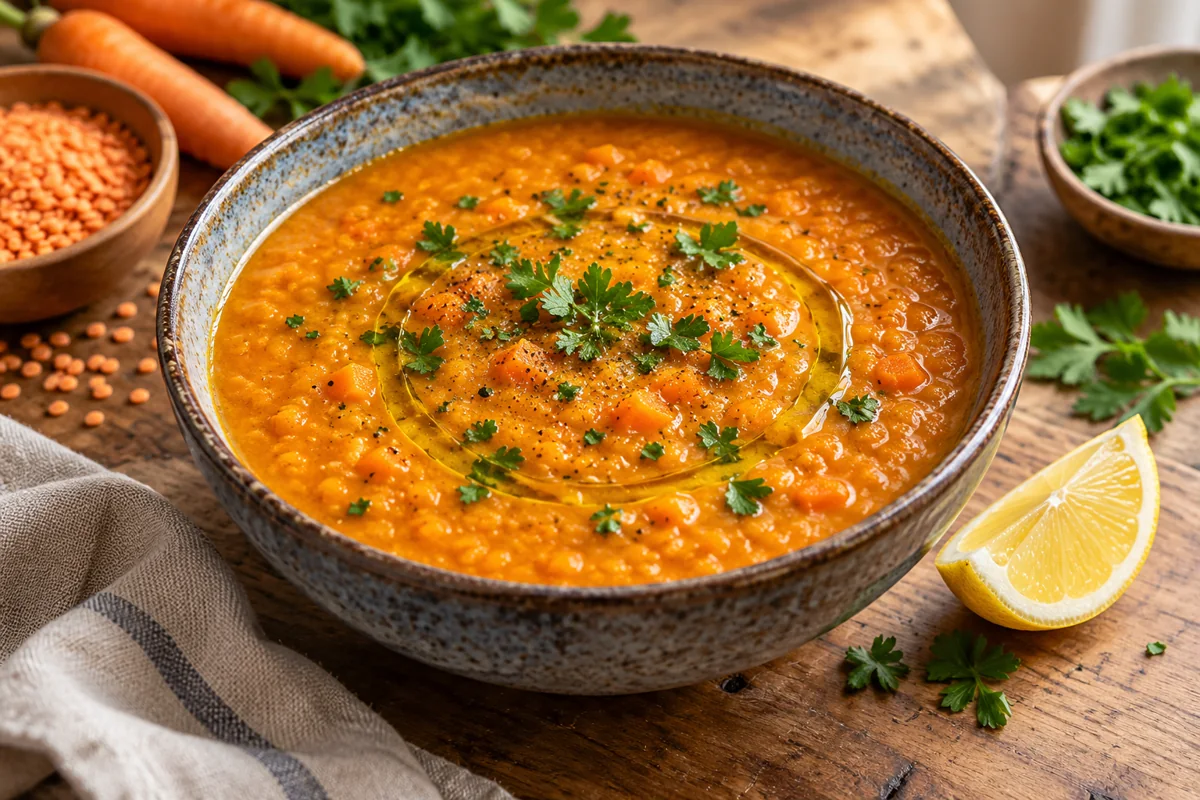
A Dutch oven is one possible vessel for the site’s lentil soup and tomato pasta; it is not a required upgrade. Use the recipe’s quantities, doneness instructions and timing rather than treating the purchase of cookware as a new cooking method. This guide supplies no halal certification for cookware or meals. It offers practical equipment choices and links to recipes that identify their own ingredients. Keep dietary decisions tied to the actual labels and recipe instructions, especially when changing a prepared sauce or broth.
Compare sellers, delivery and returns before clicking buy
A product comparison should end with a retailer check, not replace one. Confirm who is selling and shipping the pot, which country will receive it and what happens if the wrong size arrives. Read the delivery total and return conditions for your location. A promotional headline does not tell you whether a heavy item is economical to ship or practical to return across a border.
The shopping link on this page starts at Amazon.fr and contains our disclosed affiliate tag. During verification, Amazon redirected one visit to its US store while preserving the tag in the URL. That observation does not establish commission eligibility in every marketplace or promise the same routing for every reader. Check where you land. If your preferred store, size or delivery location differs from the listing shown, select and verify the appropriate offer before ordering. Do not buy a confusing variant simply because it is the first result you reach.
Warranty language needs local context
Read warranty coverage as a set of terms, not a promise that any damage will be repaired. The relevant seller, purchase location, proof of purchase and use conditions can matter. A long warranty is useful only when you understand what is covered and how a claim is handled where you live. Manufacturer guarantees and legal consumer rights are also separate questions.
Keep the invoice, product reference and care instructions. Inspect the pot when it arrives, before discarding packaging, and follow the retailer’s process for any visible issue. Do not continue using a damaged cooking surface because an online discussion says it is probably fine. Ask the manufacturer for guidance about the exact damage. This is ordinary ownership planning, not a prediction that either model will fail. It makes the purchase easier to manage and prevents a prestigious name from becoming a substitute for reading the actual terms.
Build a realistic first week of cooking
Plan the first few meals before you order. Pick one soup, one vegetable-and-bean dish and one recipe you already know well. Check which jobs actually benefit from the new pot and which are easier in a smaller saucepan. This exercise can reveal that you need a better lid or more usable capacity, rather than a particular brand. It also helps you avoid buying equipment for an imaginary cooking routine that does not match your available time.
After the pot arrives, begin with familiar ingredients and a manageable quantity. Learn how the vessel fits your burner, how comfortably you can stir and where the lid can rest. Do not change the cookware, recipe, serving quantity and cooking technique all at once and then assume any difference comes from the pot. Keep the first session simple enough to observe what is happening. A useful purchase becomes part of an ordinary routine; it does not need a dramatic demonstration to justify its place in the kitchen.
Final checklist: pay for a useful improvement
Before choosing, answer five questions. Does the intended size suit your normal recipes? Can you handle it comfortably when full? Will it fit the stove, oven, sink and storage? Is the exact seller and variant clear? Can you afford the complete purchase without relying on a speculative discount or promised lifetime? If one answer is uncertain, pause and resolve that uncertainty before buying.
For a comfortable premium budget, the Le Creuset Signature is a reasonable product to investigate further. For a tighter budget, compare the Lodge Essential Enamel and the cookware you already have. We do not name an unconditional winner, because we have not tested the products and your priorities determine the better fit. Use the paid link only if you want to check the current offer. Then return to the cooking: a useful pot should support the meals you enjoy making, rather than become the reason you feel obliged to cook a particular way.
These sources have not tested or endorsed our recipes. Use the current manual for operation, safety and care.
Our practical shopping checklist
Match the selected retailer variant to manufacturer dimensions before ordering.
Check the complete delivered cost and currency for your location.
Read the actual knob and finish instructions before oven use.
A normal heavy-bottomed pot can cook many soups and pasta dishes.
Choose packaged ingredients appropriate for pork-free and alcohol-free recipes.
How this guide was prepared
We chose recognizable premium kitchen equipment connected to recipes on this site. Descriptions are based on manufacturers’ public product pages and common cooking considerations. We have not purchased or independently tested these exact models. Product prices, promotions and availability can change. We do not rank products with fabricated star ratings, customer reviews or performance tests.
Frequently asked questions
Is Le Creuset worth it compared with Lodge?
It can be reasonable when the specific size, handling, finish and premium budget suit frequent use. We have not measured a performance advantage. Compare the exact Lodge alternative and your current cookware before deciding.
Is the featured Le Creuset above $200?
It is in a premium budget range: its US manufacturer page showed a $455 suggested retail price on October 28, 2026. Retailer prices change, so confirm the current offer rather than treating that reference as an Amazon price.
Why does the Amazon listing say 3.3 liters?
Our check found conflicting fields: a family-size selection and 3.3-liter specification text appeared together. The manufacturer chart identifies its 26 cm round model as 5.3 liters. Ask the retailer to confirm what will be shipped before purchasing.
Are these Dutch ovens the same size?
No. We compare a Le Creuset family-size reference with a Lodge 6-quart alternative. Nominal capacity, dimensions and serving needs should be checked separately.
Can I use a Dutch oven on induction?
The manufacturers list induction compatibility for the specified models. Check the actual product, base and cooktop instructions before use.
Do I need a Dutch oven for your recipes?
No. Many soups and one-pot pasta recipes work in a suitable heavy-bottomed saucepan or stockpot. Follow each recipe and use equipment you can handle safely.
Why can Amazon open a different regional store?
Amazon may route visitors by location and its own settings. Our shopping link starts at Amazon.fr. Check the store, currency, seller, size and delivery conditions after opening it.
Did you test these pots?
No. This is a research-led guide based on manufacturer pages and a retailer listing check. We do not invent cooking tests, star ratings or endorsements.
Are the Amazon links affiliate links?
Yes. As an Amazon Associate, I earn from qualifying purchases. Paid links are labeled and use sponsored attributes. Tag preservation across a redirect does not by itself establish commission eligibility in every marketplace.
USE WHAT YOU ALREADY OWN
Recipes to cook tonight.
These recipes do not require you to buy the premium products above.