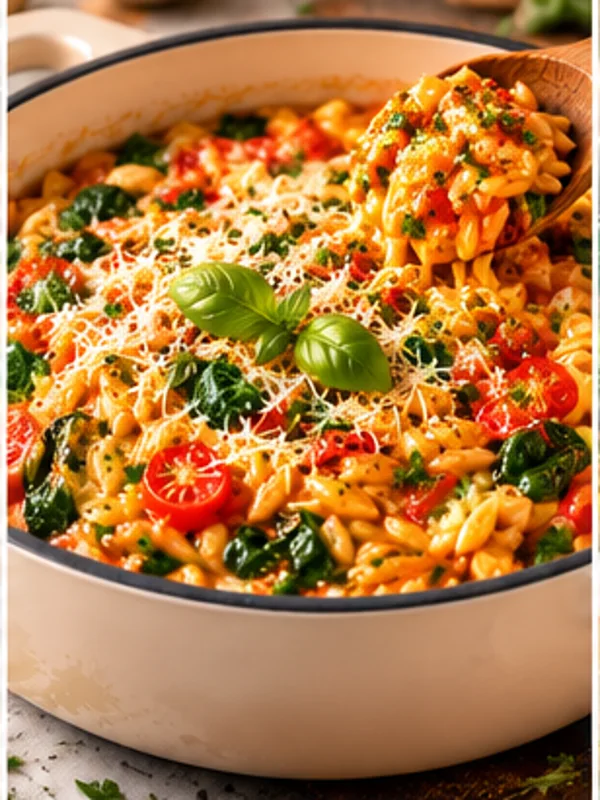
What Is Orzo? How to Cook, Choose and Use This Small Pasta
Understand what orzo is, choose boiling or absorption cooking, manage sauces and soup, and compare practical substitutions.
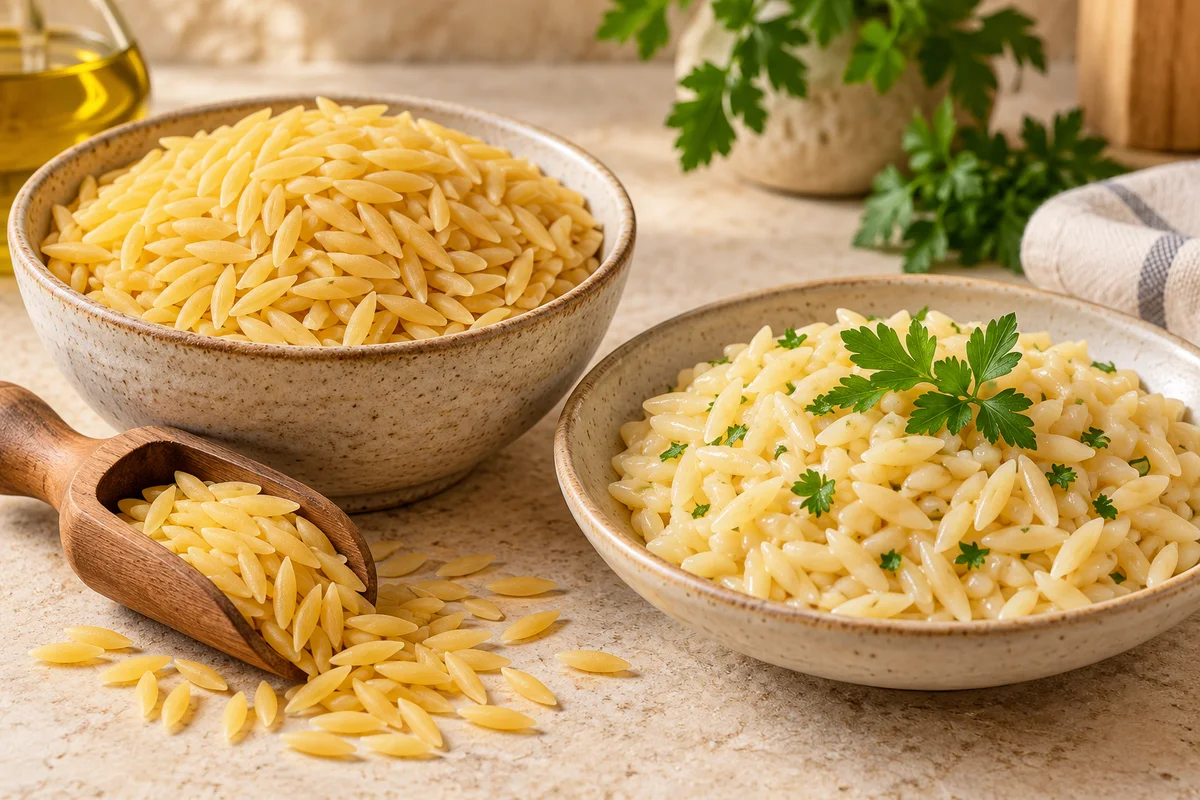
Orzo looks like a grain of rice, but the ordinary product on a supermarket pasta shelf is pasta. That single distinction answers several common cooking questions. It explains why a package often gives a short boiling time, why regular orzo usually contains wheat, and why it can release enough starch to help make a glossy one-pot dish. The shape is small, but the choice of method has a large effect on whether you get separate pieces, a brothy soup, or a creamy pan of pasta.
This guide focuses on the ingredient so you can choose the right method for the meal. It complements the site's tomato and spinach orzo recipe without reproducing that recipe as another page. Suggestions avoid pork and alcoholic cooking ingredients, including wine in risotto-style preparations. Package directions remain important, especially for whole-wheat or gluten-free versions. The food images are 3D illustrations rather than photographs documenting an actual cooking test.
Orzo is a pasta shape, not a rice variety
Regular dry orzo is commonly made with wheat semolina, though ingredients differ between products. Its rice-like appearance can be useful in soups and bowls, but appearance does not establish composition. Read the package if you are shopping for a specific dietary requirement. A product called risoni may look very similar; the ingredient statement and cooking instructions tell you more than the name alone.
Do not apply rice instructions simply because the pieces have a similar outline. Pasta and rice can fill comparable roles on a plate while behaving differently in a saucepan. When a recipe uses an absorption method for orzo, it is intentionally adapting pasta to that technique. The method works because its liquid, stirring, and finishing stages are planned together, not because orzo has become a grain of rice.
For a clear shopping check, compare three details before buying: the ingredient list, the preparation state and the printed cooking method. Keep the package until the meal is finished. This avoids confusing a specialty product with ordinary wheat orzo and helps you repeat a result you enjoyed with the same pasta.
Choose regular, whole-wheat or a specialty product
Regular orzo gives you a useful starting point for learning the shape. Whole-wheat versions have a different flavor and may need their own timing. Specialty versions made from other ingredients can behave differently again, particularly when simmered in a small amount of liquid. For your first attempt at a particular recipe, choose the type it specifies so you are not changing both the ingredient and the cooking system.
If gluten avoidance matters, look for a product appropriately labeled for that purpose and follow its instructions. Ordinary wheat orzo is not a gluten-free choice. Do not assume a rice-like shape means rice-based ingredients, and do not assume a blend contains only the grain named most prominently on the front. Check preparation surfaces and other ingredients as needed for the person eating. A product-specific dietary decision should use product-specific information.
Read the cooking time as a starting range
The package time reflects that product and its expected method. Begin checking near the earlier end if the orzo will continue cooking in a hot sauce. If the pasta is destined for soup that will stand before serving, allow for continued softening in the broth. The useful target is the texture in the finished dish, not a timer that ignores what happens after draining.
Take out a small piece, cool it, and taste. If the center remains unpleasantly firm, continue briefly and test again. If the pasta is already tender, do not keep boiling simply because another brand's instructions say longer. Small pasta can move through the useful range quickly. Having the sauce, strainer, and serving plan ready makes it easier to stop when the texture is right instead of holding the pot while you finish other preparation.
Decide which cooking method fits the meal
For separate pasta to combine with vegetables or a salad, boiling in plenty of water and draining is a straightforward option. For a creamy one-pot dish, an absorption or gradual-liquid method keeps the pasta and its starch in the pan. For soup, the liquid remains part of the meal and the amount of pasta affects how thick the pot becomes. These methods are related but not interchangeable instructions.
Choose before measuring liquid. A large pot of boiling water is forgiving because you drain the excess; an absorption dish needs closer control because the liquid becomes part of the sauce. A soup may need additional broth after resting because the pasta continues taking up moisture. Identifying the goal at the beginning prevents the common mistake of mixing steps from several methods and expecting a single predictable result.
Boil and drain when you want distinct pieces
Use a pot with enough room for water and pasta to move, following the package's quantity guidance. Bring the water to the specified boil, add the orzo carefully, and stir so the small pieces do not settle into a stuck layer. Pay particular attention soon after adding it and again toward the end. A small shape is easy to overlook until it has attached itself to the bottom of the pan.
Before draining, reserve a little cooking water if you will combine the pasta with sauce. Use a strainer fine enough to hold the orzo. A large-hole colander that works for shells may lose small pieces. Drain promptly and finish according to the recipe. Pasta left in a hot, dry heap can clump while you prepare the rest of dinner, so coordinate the final steps rather than cooking the orzo as an isolated task.
Use an absorption method for a cohesive pan
Some orzo methods begin with roughly two parts liquid to one part dry pasta by volume, but this is a starting approach rather than a rule for every recipe. Tomatoes, vegetables, broth strength, pan width, and lid use can change the liquid balance. Follow the complete recipe when making a one-pot meal, because it accounts for more than the pasta alone. Keep extra hot water or checked broth nearby.
Stir as the method directs and assess both the pasta and surrounding liquid. If the pan becomes dry while the center is still firm, add a small amount of hot liquid. If the pasta is tender and the sauce is looser than expected, a short rest may change it. Avoid adding a large volume automatically. Measured, staged adjustments give you more control than alternating between a dry pan and a flooded one.
Understand risotto-style orzo without adding wine
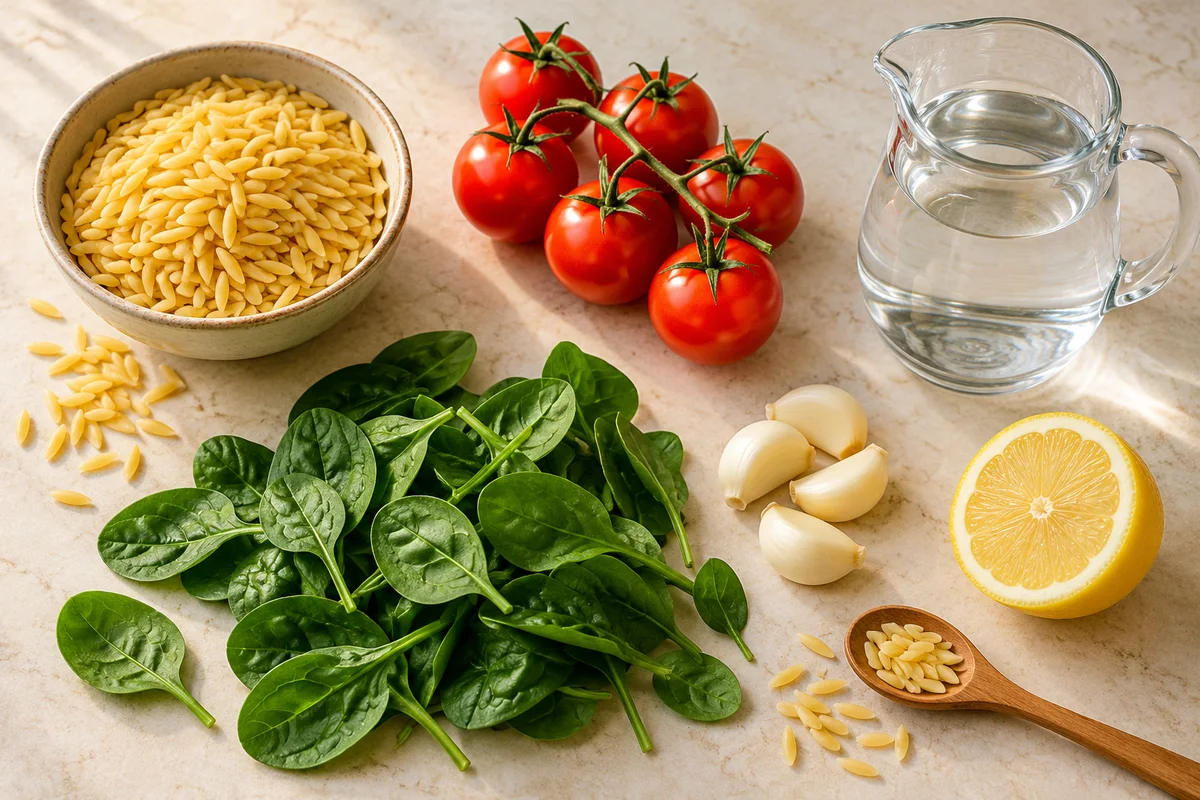
Orzo can be cooked in a risotto-like style, sometimes called orzotto, where starch helps bind the liquid around the pasta. The texture is cohesive and spoonable rather than a pile of separate grains. This does not require wine. Water or a suitable broth can provide the cooking liquid, and lemon near the end can offer a different kind of brightness. Do not describe these liquids as identical; choose the balance that suits the dish.
If a source recipe includes wine, use a complete alcohol-free adaptation rather than assuming equal amounts of lemon juice are a suitable replacement. Juice is much more acidic and has a different role. A small addition at the finish is easier to control. Check broth and cheese ingredients too, especially if you also want the dish vegetarian. Omitting one bottle does not settle every dietary question in the rest of the pan.
Toast carefully if you want that flavor
Some methods briefly toast dry orzo in oil or butter before adding liquid. This creates a different flavor direction and requires attention because the small pieces can color unevenly. Stir as directed, have the liquid measured, and add it carefully to the hot pan. Do not start toasting and then leave to chop vegetables or search for a broth carton. The preparation stage should be complete before the heat becomes your main responsibility.
Toasting is optional unless it is part of the recipe you chose. A plain boiled method may be preferable when you want a clean base for a bright salad. If using butter, consider how the recipe manages its tendency to darken. If using oil, choose one suited to the method and your preferences. More color is not always more flavor; scorched pieces can make the entire pan taste harsh.
Add tomatoes with their moisture in mind
Fresh tomatoes, canned tomatoes, passata, and concentrated tomato paste are different ingredients. They bring different amounts of liquid and different textures. A recipe written for one is not automatically balanced for another. Tomato paste can deepen flavor but does not supply the same volume as a can of tomatoes. If you change the form, consider both taste and the amount of cooking liquid the pasta will have available.
Prepare the tomatoes before the pasta needs them. In a short-cooking dish, large raw chunks and a thick concentrated base may need a different sequence from a smooth sauce. Taste the finished combination before adding more acidity. Tomatoes and lemon can both brighten a dish, but adding both heavily may overwhelm a mild pasta. Give each ingredient a clear job rather than using several additions to solve the same vague impression of flatness.
Put leafy greens in at the appropriate stage
Spinach is useful with orzo because it can join the dish near the end rather than requiring a separate long preparation. Wash and prepare it according to the product directions, and account for any clinging water. Tender leaves and thick stems do not behave identically. If you substitute another green, consider whether its structure needs more time and whether it releases a different amount of moisture.
Add greens in an amount the pan can accommodate and fold them through gently. A large mound may settle, but forcing it around can scatter small pasta or make stirring difficult. If the greens are already cooked or frozen, follow their preparation guidance and account for extra liquid. The finished sauce depends on all the moisture in the pan, not just the water you measured at the beginning.
Finish creamy orzo without making it heavy
A creamy texture can come partly from pasta starch and the way the dish is finished; it does not always require a large amount of cream. Read the intended recipe before adding dairy in an attempt to repair an unbalanced sauce. Cheese, butter, cream, and pasta water each affect texture differently. Add a finishing ingredient in a measured amount and assess the result before increasing it.
If using cheese in a vegetarian meal, check the product's ingredients and rennet information as appropriate. Cheese also introduces milk, and alternatives have their own ingredient lists. A little lemon zest, parsley, or black pepper may bring enough contrast without another rich ingredient. Taste the assembled dish after a brief rest, because hot orzo can change consistency quickly as it stands and continues absorbing the sauce.
Plan a pasta salad around moisture and timing
For an orzo salad, choose a boil-and-drain method intended for that use. Handle and cool the cooked pasta safely, and follow the recipe's instructions about dressing. Chopped cucumber, tomatoes, olives, herbs, and cheese all contribute different amounts of moisture, salt, and texture. A salad that is balanced when first mixed may change after several hours, so consider what will be added immediately and what can wait.
Use a measured dressing and taste a small mixed portion before dressing the entire batch heavily. If the salad is for later, keep delicate herbs or crisp additions separate when practical. Check all prepared ingredients against your dietary requirements. There is no need to turn a simple salad into a long list of toppings; a few clearly chosen contrasts usually make the small pasta easier to enjoy than a mixture of competing flavors.
Use orzo in soup without losing the broth
Orzo continues to affect soup after the heat is turned off. A pot that looks brothy at dinner can become much thicker in storage. If you want more control over leftovers, consider a recipe that cooks the pasta separately and combines portions when serving. That is a different workflow from cooking it directly in the soup, but it lets you manage the pasta and broth independently.
If the pasta cooks in the soup, measure it rather than adding a generous unrecorded handful. Small pasta can appear insignificant before it expands and absorbs liquid. Check its tenderness and account for the time before serving. For reheating, add suitable liquid gradually and taste the seasoning again. Do not assume the original broth quantity will produce the same consistency after the pasta has stood overnight.
Compare substitutes by size and cooking behavior
Small pasta shapes can sometimes replace orzo in a soup, but their cooking times and volume can differ. Rice can replace its role in a bowl only if cooked appropriately for rice. Couscous has another preparation method again. The safest adaptation is often to cook the substitute separately and combine it at serving time, particularly when the original recipe depends on carefully balanced liquid absorption.
For a one-pot dish, choose a recipe designed for the replacement rather than making an equal-volume swap and hoping. A larger pasta shape exposes different surfaces and may need a different amount of liquid or stirring. Dietary changes also need an ingredient check, not just a name change. A gluten-free pasta can be useful for a specific need while still having a texture that requires a different cooking approach.
Fix sticking, dryness and an overly loose sauce
If orzo sticks, review the early stirring, pan surface, heat, and available liquid. Scraping forcefully at the end may damage the pasta without solving the cause. In an absorption dish, stir along the base as directed and add small amounts of hot liquid if needed before the pan dries out. In a boiling method, make sure the pasta is moving in sufficient water rather than collecting in a compact layer.
For a loose sauce, first check whether the pasta is already tender. If it is, avoid prolonged cooking that sacrifices texture just to remove liquid. A brief rest or a recipe-appropriate finishing step may help. If the pasta is dry but still firm, it needs moisture and suitable heat, not another spoonful of cheese. Correct the structural problem before making seasoning decisions that may become excessive after the consistency changes.
Store and reheat with the shape in mind
Cool cooked orzo dishes promptly in shallow containers and refrigerate them. Follow product instructions and food-safety guidance for the complete dish, including any meat, seafood, dairy, or vegetables mixed through it. Label portions and freeze only when the recipe and container are suitable. Small pasta is not a reason to leave a large hot pan on the counter while you wait for every part to become cold.
Expect stored orzo to absorb more sauce. When reheating a suitable portion, add a little water or checked broth and stir as appropriate so it heats evenly. Keep fresh herbs and other delicate finishes separate until serving. A cold portion can look much denser than the warmed dish will be, so adjust gradually. Reheating cannot restore overcooked pasta to its original firmness, which is another reason to control the first cooking carefully.
Connect the ingredient to your next dinner
Use the site's tomato and spinach orzo recipe when you want a measured one-pot dinner. It combines the pasta, vegetable moisture, and finishing sequence in a single plan. This ingredient guide answers the questions behind that plan: what the pasta is, why it can thicken a sauce, and when another method would make more sense. Read the complete recipe before beginning rather than assembling instructions from several unrelated preparations.
For a different meal, choose one clear role for the orzo. It can be the base of a salad, part of a soup, or the center of a creamy skillet. Keep the first attempt simple enough to notice how your particular package behaves. A short note about the method, timing, and final texture will make the next batch easier to repeat and the next variation more deliberate.
Frequently asked questions
Is orzo rice or pasta?
Ordinary orzo is a small rice-shaped pasta, commonly made from wheat semolina.
Is orzo gluten-free?
Regular wheat orzo is not. Use an appropriately labeled specialty product if needed and check its cooking instructions.
Why does orzo soup thicken overnight?
The pasta can continue taking up liquid. Consider cooking pasta separately for more control over stored soup portions.
Sources and further reading
These references support ingredient and handling guidance. They have not tested or endorsed recipes on this site.
Use complete recipes for measurements, and follow product and equipment instructions. Meal suggestions here avoid pork and alcoholic cooking ingredients; check packaged products and personal dietary requirements separately.