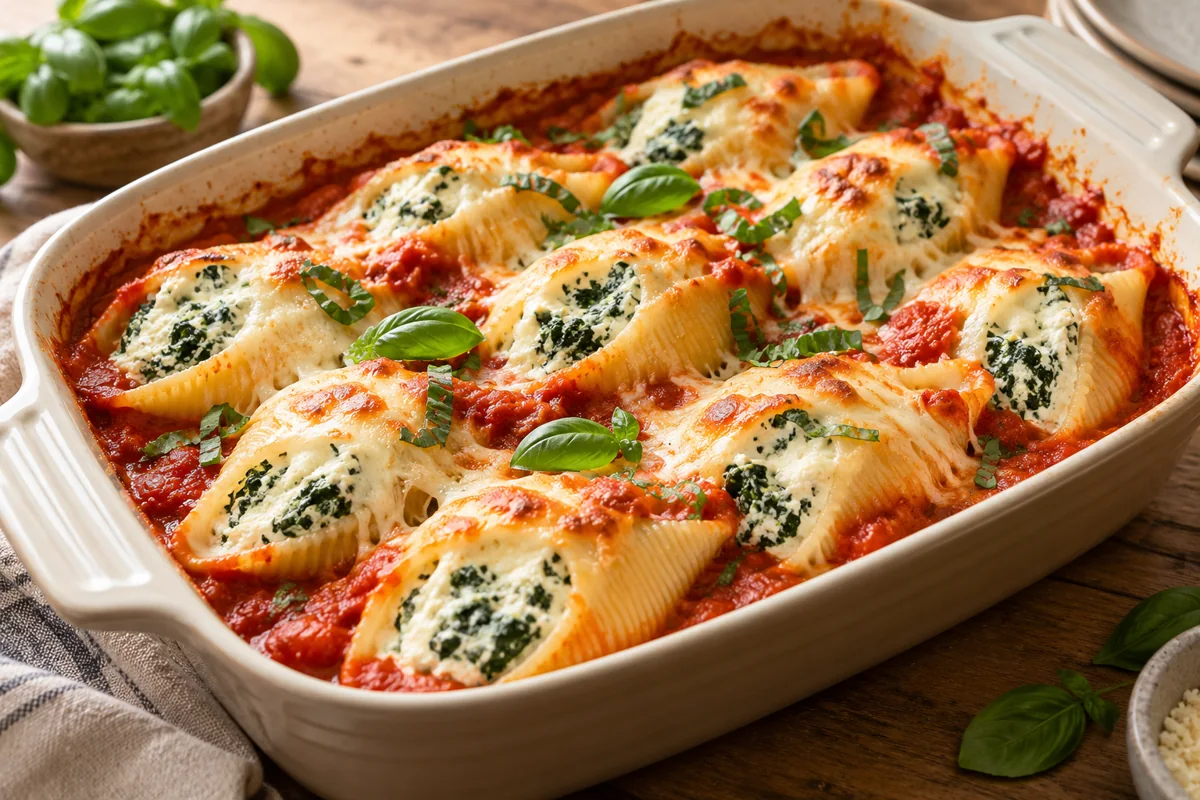
How to Use Ricotta: Choose, Drain, Fill Pasta and Make Useful Substitutions
Choose ricotta, manage moisture, prepare spinach fillings, compare substitutes and use the cheese in pasta or spreads.
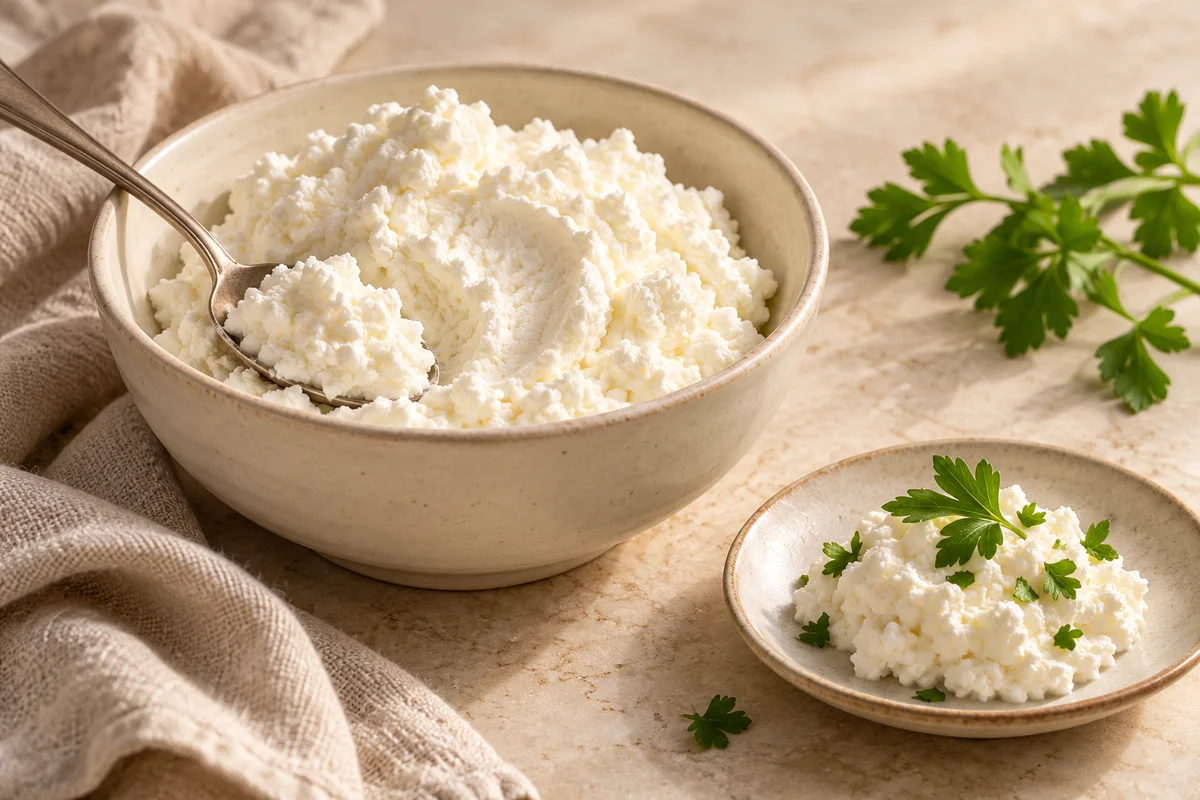
Ricotta can be a soft filling, a creamy finish, or the base of a simple spread, but it is not the same ingredient in every tub. Moisture, richness, and curd texture vary between products. That variation explains why one filling holds neatly inside pasta while another leaves liquid in the baking dish. Understanding the product before adding eggs, greens, or cheese gives you more control than trying to correct everything after the dish is assembled.
This guide explains ricotta as an ingredient and connects it to the site's spinach and ricotta stuffed shells recipe. It does not offer another copy of that recipe or claim that a single substitution works in every use. Suggestions avoid pork and alcoholic cooking ingredients. Check labels for your own dietary needs, including milk and rennet questions where relevant. The images are 3D illustrations, and the guide does not claim personal kitchen testing or measured nutrition analysis.
Understand fresh ricotta and its practical role
Fresh ricotta is a mild, soft dairy ingredient commonly used where a gentle flavor and spoonable curd texture are useful. Traditional whey-based production and modern milk-containing products can differ, so the name alone does not describe every commercial tub. Read the ingredient statement and choose for the recipe you are making. For cooking, moisture and consistency often matter as much as the broad product name.
Think about its role before opening the container. A filling needs enough structure to stay where you put it, while a sauce or spread may welcome a softer consistency. Ricotta is not simply a lighter word for every creamy cheese. Treating it as identical to cream cheese, mascarpone, or a hard grating cheese leads to unnecessary confusion. Those ingredients can sometimes be adapted, but they bring different properties and need a method that accounts for them.
Compare whole-milk and part-skim products
Whole-milk and part-skim ricotta give you different starting points for richness and texture, although moisture can vary by manufacturer. Use the type specified by a recipe on the first attempt if you want to evaluate that recipe fairly. Do not assume a lower-fat description guarantees an identical filling with only one nutritional difference. The way the product mixes and behaves in the finished dish may also change.
Choose a product for the meal and your preferences rather than a general claim that one is always better. A soft topping for warm pasta and a baked filling can have different priorities. If you change brands or type, inspect and taste the new product before adding the rest of the ingredients. A small adjustment at the beginning is more controlled than discovering excess liquid after every pasta shell has already been filled.
Fresh ricotta is different from ricotta salata
Ricotta salata is a salted, firmer product used differently from the soft fresh ricotta most filling recipes expect. The shared word does not make the products interchangeable by volume or method. A recipe that needs a spoonable mixture cannot be assumed to work with a firm grating cheese simply because the names overlap. Read the label and look at the actual product rather than relying on one familiar word.
If the retailer's selection is unfamiliar, identify whether you are buying fresh, spreadable ricotta or another style before planning dinner. Product photographs can help with recognition, but the label is the more useful guide. When sharing a recipe adaptation, name the cheese accurately. Clear ingredient names prevent another cook from repeating a substitution that changes salt, texture, and preparation far more than the original instructions acknowledge.
Read the full ingredient statement
Ricotta products may contain milk, cream, whey, acidifying ingredients, salt, or other components depending on the manufacturer. Check the actual tub rather than assuming a short ingredient list from another brand applies. Milk remains a relevant allergen even when a product is described as part-skim or lactose-free. A lactose-free product is not automatically suitable for someone with a milk allergy. These are different dietary questions.
If avoiding animal rennet or other specific ingredients matters, use the product information or ask the manufacturer when the label is unclear. The same care applies to any Parmesan-style cheese mixed into the filling. For the approach used here, choose additions without pork or alcoholic cooking ingredients. A cheese-based dish can be compatible with those preferences, but the description depends on the complete ingredient list rather than the main ingredient alone.
Keep the cold chain and use clean utensils
Buy and store ricotta according to its refrigeration directions, and check the package date and condition. Once opened, follow the manufacturer's use guidance and keep track of when you opened it. Use clean utensils and avoid returning a spoon that has touched other food to the tub. A simple handling routine protects the ingredient and helps you understand what is left for another meal.
Do not leave the container on the counter throughout a long cooking session when you only need a measured portion. Return the remainder to appropriate storage promptly. Raw egg, prepared greens, and ricotta should meet only where the recipe requires them, with clean tools and surfaces. A mild smell and appearance do not establish that a dairy ingredient has been handled safely. Follow product and food-safety guidance rather than improvising an extended storage period.
Inspect moisture before building a filling
Open the tub and look at the consistency. Some products have visible free liquid; others are thicker and more cohesive. Stir or drain only as appropriate for the product and the intended recipe. A filling that must stay inside pasta needs a different moisture balance from a spread that will be loosened intentionally. Recognizing the starting texture helps you avoid adding ingredients solely to repair a problem you have not identified.
Measure as the recipe specifies. If it calls for drained ricotta, the preparation affects the final amount and consistency. Do not casually swap between undrained volume and drained weight and expect a precise result. Keep a note of the product you used when a filling works well. The brand, type, and draining stage may explain more than a small difference in the herbs you added.
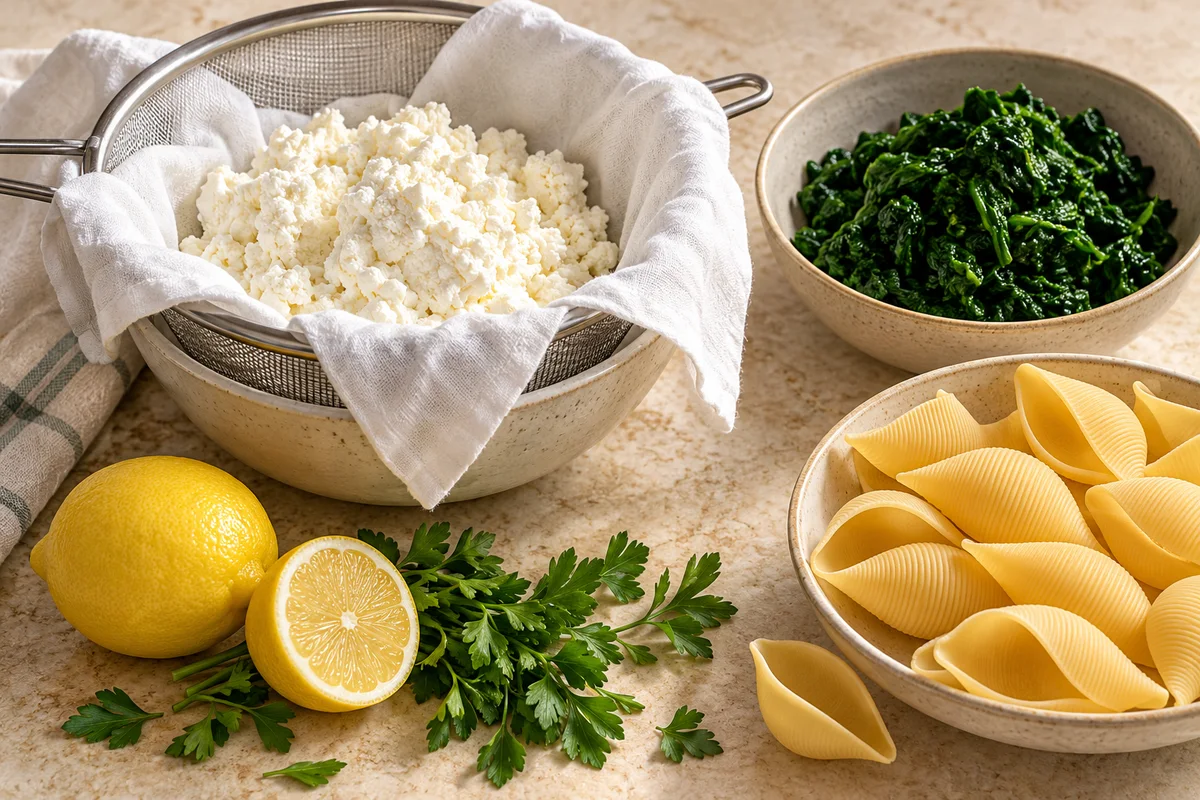
Drain in the refrigerator when the recipe needs it
A suitable draining method generally uses a fine sieve with an appropriate food-safe lining over a bowl, with the setup kept refrigerated. Follow a trusted method and the product's handling directions. Allow liquid to leave without pressing so aggressively that you create a texture the recipe did not intend. The aim is a manageable consistency, not the driest possible ingredient under every circumstance.
Plan this stage before you need to fill the pasta. Discovering a wet tub after the oven and sauce are ready makes the sequence more stressful. If your chosen product is already thick enough for the recipe, extra draining may not be necessary. Assess the actual ingredient rather than applying the longest preparation you have seen online. A useful method solves a specific moisture need without adding time simply because another product required it.
Prepare spinach separately for a balanced mixture
Spinach contributes both flavor and moisture. A filling written for cooked, drained spinach expects that preparation to happen before mixing. Raw leaves, frozen spinach, and cooked spinach are not equivalent spoonfuls. Follow the recipe's form and quantity, and manage excess liquid as directed. Adding wet greens to a carefully drained cheese can undo the consistency you just worked to achieve.
Let prepared ingredients reach the condition required by the recipe before combining them. A hot wet mass can affect the mixture differently from cooled, drained greens. Chop to a size that distributes through the filling rather than creating long strands that are awkward to portion. Keep the preparation practical: a few consistent steps with clear moisture control are more useful than adding extra cheese in an attempt to absorb unmeasured vegetable liquid.
Mix gently and season before adding raw egg when appropriate
Ricotta filling usually needs combining rather than aggressive beating. Use a suitable bowl with enough room to fold ingredients through evenly. Herbs, cooked greens, and grated cheese should be distributed so one shell does not receive all the seasoning. Check the recipe's sequence and avoid adding every possible ingredient simply because it appears in another version. Each addition changes moisture, salt, richness, or structure.
If a recipe permits tasting the dairy-and-seasoning mixture before raw egg is added, that can help you assess flavor safely at the appropriate stage. Do not taste a mixture containing raw egg. Follow the complete recipe and food-safety guidance for preparation and cooking. A filling that tastes mild on its own may be intended to meet a flavorful tomato sauce, so consider the finished meal rather than seasoning each component to maximum intensity.
Understand the role of an egg or another binder
Some baked fillings include egg for structure, while other ricotta preparations do not. The decision belongs to the recipe, not a universal rule that ricotta always needs a binder. Adding an egg changes both the ingredient list and the cooking requirements. Removing one may change how the filling sets. If you need an egg-free dish, choose a complete recipe designed for that requirement or make a clearly considered adaptation.
Do not use extra flour, breadcrumbs, or starch as an automatic fix for a wet filling without considering their effects. They can change the texture and introduce additional allergens or gluten. First assess whether the ricotta or vegetables should have been drained differently. A binder and moisture control do different jobs. Solving the source of excess liquid is usually more informative than accumulating dry ingredients until the mixture feels stiff.
Fill pasta in a way that matches its preparation
Stuffed shells need a complete plan for pasta, filling, sauce, and baking. Follow the recipe's instruction for how far to cook the shells before filling; they may continue cooking in the oven. Handle them gently and prepare a few extras if your recipe recommends it, since pasta can tear. A ricotta guide cannot establish the right baking liquid for every shell size or brand, so keep the recipe card central to the meal.
Portion the filling consistently without overpacking. A shell that cannot close or sit neatly may release more filling into the dish. Arrange the pasta as directed and use the measured sauce rather than guessing from how empty the baking dish looks. The site's spinach and ricotta stuffed shells recipe provides that sequence. Use this guide to understand the ingredients behind it, not to replace its measurements with scattered general tips.
Balance tomato sauce and the filling
A tomato sauce brings moisture, acidity, and seasoning to a ricotta dish. Its thickness matters as well as its flavor. A very watery sauce can contribute to liquid around the pasta even when the filling is well prepared, while an overly concentrated sauce may need the recipe's specified adjustment. Read the sauce instructions and account for any change in product, such as replacing passata with chopped tomatoes.
Taste the sauce separately at the appropriate stage and consider how it will combine with mild ricotta. There is no need for the filling and sauce to compete for intensity. Keep optional finishes restrained until you have tasted the baked dish. Lemon, herbs, and cheese can each add something useful, but more additions do not automatically improve a combination that already has a clear balance.
Use ricotta as a pasta finish without expecting cream
Ricotta can create a soft, creamy impression when combined with suitable hot pasta and a measured amount of liquid, but it does not behave exactly like pouring cream into a pan. A method designed for ricotta accounts for its curd texture and moisture. Follow that sequence and add liquid gradually. Aggressive high heat or prolonged boiling is not automatically the right way to make every dairy ingredient smoother.
Reserved pasta water can help a recipe loosen the mixture, but the amount depends on the pasta, ricotta, and desired finish. Keep some available before draining, and use a little at a time. Taste with the pasta rather than deciding from a spoonful of cheese alone. A rustic curd texture may be part of the intended result; a guide should not promise that every tub will turn into an identical restaurant-style sauce.
Make a spread with a clear flavor direction
For a simple spread, begin with ricotta that suits the texture you want. Lemon zest, a little juice, herbs, pepper, or suitable oil can each contribute a different effect. Add them gradually and assess a small portion first. A loose topping for vegetables and a spread that should stay on bread need different consistencies. Avoid adding liquid automatically just because a photographed version looked glossy.
Keep toppings and the base balanced. A salty prepared garnish changes how much seasoning the ricotta needs, while juicy vegetables can soften bread underneath. Assemble close to serving when that helps the texture, and handle the dairy appropriately. A spread is flexible because you can choose a few ingredients deliberately, not because every combination of herbs, citrus, sweeteners, and oil belongs in the same bowl.
Compare cottage cheese as a substitute
Cottage cheese can sometimes serve as an adapted alternative, but its curds, moisture, and salt differ from ricotta. Draining or blending may be useful depending on the recipe. That preparation changes the starting ingredient and should be accounted for in the amount used. A filling may tolerate a rustic texture while a smooth spread highlights every difference. Choose the adaptation for the actual use rather than treating the cheeses as universally identical.
Taste the replacement before seasoning the full mixture and check its label. Do not add the original salt automatically if the substitute already has a different balance. If the recipe depends on a particular moisture level or set, start with a small planned adaptation or a recipe written for cottage cheese. An equal spoonful is not proof of equivalent composition, and a successful swap in one dish does not guarantee the same behavior in every baked preparation.
Understand mascarpone, cream cheese and tofu alternatives
Mascarpone and cream cheese can make a dish richer, tangier, or denser in ways that differ from ricotta. They may suit an adaptation, but the liquid and seasoning often need reconsidering. Do not choose one merely because it is also white and spreadable. Identify whether the recipe needs a mild filling, a soft topping, or a particular baked texture, then select a method written for the ingredient you actually have.
A tofu-based filling offers another direction and introduces soy rather than becoming an invisible dairy substitute. It needs its own seasoning and moisture plan, and it will not taste identical to ricotta. If avoiding milk or egg is essential, choose a complete recipe designed for those needs and check all additions. A plant-based main ingredient does not make every sauce, cheese alternative, or prepared topping suitable automatically.
Troubleshoot a watery or overly dense mixture
For a wet filling, review ricotta moisture, vegetable draining, added liquids, and the sauce surrounding the pasta. These are separate sources and deserve separate checks. Adding more grated cheese can increase salt and richness without addressing the actual source. If the mixture is already assembled, follow a suitable recipe adjustment rather than improvising a large amount of flour or egg and changing the dish's structure substantially.
For a dense filling, consider whether it was over-drained, packed too tightly, or changed with extra binders. A dry result is not necessarily solved by pouring more sauce over the top after baking. Keep notes about the product and preparation so you can change the relevant stage next time. Specific observations such as visible liquid before mixing or tightly packed shells are more useful than saying ricotta never works for you.
Store prepared portions and handle leftovers safely
Follow the ricotta package's directions for any unused product and keep it refrigerated appropriately. A mixed filling may have different handling needs from the unopened tub, especially if it contains raw egg. Do not extend its storage based only on the original cheese date. Label what you prepared and when, and follow a complete recipe's advice if assembling a dish ahead of time.
For cooked leftovers, cool and refrigerate promptly in suitable containers and follow the linked food-safety guidance for storage and reheating. Reheat the complete portion evenly rather than assuming a bubbling edge means the center is ready. Fresh herbs can be added after heating. Expect some texture change in stored pasta and dairy dishes; safe handling preserves the meal, but it does not make the original moisture balance permanent.
Build a reliable ricotta routine for your kitchen
Start with one clearly identified product and one complete recipe. Note whether you drained it, how you prepared any greens, and the consistency before filling or spreading. These details make a successful result repeatable and an unsatisfactory one easier to diagnose. Changing the brand, fat level, binder, sauce, and pasta simultaneously creates uncertainty even if the final dinner happens to be enjoyable.
Once the basic preparation is familiar, make a deliberate variation suited to the ingredient's role. Try a different herb in a spread, a measured lemon finish, or another recipe designed for the ricotta you bought. Keep the product's moisture, cold storage, and complete ingredient list in view. Ricotta becomes a useful everyday ingredient when its softness is managed intentionally and its supporting components are chosen for the dish rather than added as repairs.
Frequently asked questions
Does all ricotta need draining?
No. Assess the product and the recipe. A wet filling may need refrigerated draining; a soft spread may welcome more moisture.
Is ricotta salata the same as fresh ricotta?
No. It is a firmer salted product used differently from soft fresh ricotta.
Can I use cottage cheese instead?
Some recipes can be adapted, but curds, moisture and salt differ. Draining or blending may be needed, and the result is not identical.
Sources and further reading
These references support ingredient and handling guidance. They have not tested or endorsed recipes on this site.
Use complete recipes for measurements, and follow product and equipment instructions. Meal suggestions here avoid pork and alcoholic cooking ingredients; check packaged products and personal dietary requirements separately.